Welcome to the art of thoughtful simplicity. Your home should be a peaceful retreat, not a crowded jungle. The right touch of nature can transform your space without overwhelming it.
Choosing just a few well-placed green elements creates balance and tranquility. You’ll discover how selective placement makes each plant stand out as a living sculpture.
Modern tools like self-watering planters keep maintenance simple. Minimalist propagation stations help you grow new life without clutter. These solutions let you enjoy nature’s benefits while keeping your clean aesthetic.
This approach brings psychological benefits too. Greenery in simple spaces reduces stress and improves focus. You create an environment that feels both fresh and serene.
Ready to transform your home? We’ll show you practical tips and inspirational ideas that prove less truly is more.
Key Takeaways
- Selective plant placement creates visual impact without clutter
- Modern tools like self-watering planters simplify maintenance
- Minimalist propagation stations support growth without mess
- Strategic greenery reduces stress in clean environments
- Each plant becomes a focal point in simple spaces
- Balance between nature and minimalism enhances tranquility
- Few well-chosen plants make stronger design statements
The Beauty of Selective Greenery in Minimalist Spaces

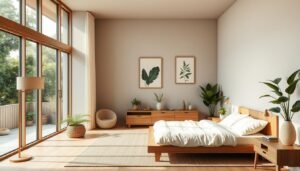
The magic of minimalist decor with plants is in subtraction, not addition. You don’t need a jungle to make a big impact. A single, well-chosen plant can change your whole space.
Carefully picked greenery becomes a natural highlight in clean, simple rooms. These living elements catch the eye without feeling too much. They add interest where it counts.
Negative space helps when using plants wisely. The empty areas around your greenery show off its beauty. This makes each plant feel special and chosen.
Greenery softens the sharp lines and neutral colors of minimalist design. Plants add organic texture that contrasts well with sleek surfaces. They warm up spaces that might feel too cold.
Every plant in your minimalist decor should have a clear purpose. Some might add height, others texture or color. Thoughtful placement ensures each specimen enhances rather than dominates your space.
Small groups of plants can make strong statements. Group two or three similar varieties together. This keeps things simple while adding depth to your design.
The right plant turns your minimalist home into a living sculpture. It brings life and movement to still spaces. Your space feels carefully put together, not just decorated.
Minimalist decor with plants values quality over quantity. Each green friend deserves your focus and care. This careful approach brings harmony between nature and design.
Essential Principles for Using Plants and Greenery Sparingly in Minimalist Decor

Choosing plants for minimalist decor needs careful thought. Each plant should have a purpose and enhance your space. This keeps your home looking clean and intentional.
Intentionality means every plant has a specific reason for being there. Maybe it adds height to an empty corner or brings softness to a hard surface. You select each one with clear goals in mind.
Simplicity prevents overcrowding and maintains that open feel minimalism loves. Too many plants create visual noise. A few well-chosen specimens make a stronger statement than a crowded collection.
Harmony ensures your plants complement your existing decor rather than compete with it. Consider how their colors, shapes, and textures work with your furniture and accessories. They should feel like natural extensions of your space.
Applying these principles starts with honest assessment of your rooms. Look at empty spaces that need life but don’t force plants where they don’t belong. Measure your surfaces and consider sight lines from different angles.
When incorporating greenery in minimalist design, quality always beats quantity. Invest in healthier plants that will thrive with proper care. One stunning fiddle leaf fig makes more impact than three struggling succulents.
Remember that negative space is just as important as the plants themselves. Allow breathing room around each plant so it can stand out. This thoughtful approach creates peaceful, balanced environments that truly reflect minimalist values.
Your home should feel curated, not cluttered. By following these essential principles, you create spaces where both you and your plants can thrive beautifully together.
Top Plant Varieties for Minimalist Environments

Choosing the right greenery can transform your minimalist space. The best plants in minimalist spaces have clean lines and are easy to care for.
Snake plants are perfect for adding height without clutter. Their vertical growth and structural leaves make them stand out. Plus, they need very little care.
ZZ plants have glossy, dark green leaves that match neutral colors well. They can handle low light and don’t need much water. A sleek moisture meter helps keep their needs in check.
Succulents come in many shapes and colors, fitting well in small spaces. Air plants add unique texture without needing soil.
Think about your light when picking plants. Succulents need bright light, while snake plants do well in lower light. Choose plants that match your style for a cohesive look.
These plants are easy to care for and add a lot of beauty. They look great with little effort, perfect for those with busy lives.
Strategic Placement Techniques That Maximize Impact

Where you place your plants is key in minimalist decor. The right spot turns simple greenery into stunning focal points. Your space gets depth and character without feeling cramped.
Start by thinking about height. Mix tall floor plants with medium-height tabletop ones. Add some trailing plants for vertical interest. This layered look creates movement in your room.
Create visual triangles with your plant placement. Group three plants at different heights to form an invisible triangle. This guides the eye through your space, adding rhythm without symmetry.
Use corners and empty walls wisely. A single tall plant in a corner draws the eye upward. It uses vertical space well while keeping areas open. Shelves are great for small succulents or air plants.
Think about sight lines from different angles. Place plants where they’re visible from many spots. This ensures your greenery adds to the room’s flow. Every glance shows another beautiful detail.
Balance is key in minimalist plant arrangement. Spread visual weight evenly across your space. Don’t cluster all plants in one spot. Instead, create greenery pockets that complement each other.
Remember, negative space boosts your plants’ impact. Keep plenty of empty space around each plant. This framing makes each one stand out. Your chosen greenery becomes a design statement.
Minimalist Planter and Container Solutions

The container you choose can either enhance or disrupt your minimalist aesthetic. Selecting the right planter ensures your greenery complements rather than competes with your space.
Materials matter greatly in achieving proper minimalist plant aesthetics. Concrete planters offer industrial elegance with their textured, neutral appearance. Metal containers provide sleek modernity, while simple terracotta brings organic warmth.
Geometric planters create visual interest through clean lines and shapes. These structured designs maintain simplicity while adding subtle dimension to your space.
Ceramic pots work beautifully for minimalist environments. Their smooth surfaces and muted colors blend seamlessly with various decor styles.
Consider wall-mounted containers for vertical space utilization. These solutions keep surfaces clear while drawing eyes upward.
Size selection proves crucial for balanced displays. Choose planters that accommodate root growth while maintaining proportional harmony with your space.
Color coordination remains essential for cohesive minimalist plant aesthetics. Neutral tones like white, gray, and black create seamless integration.
Match your planter to both your plant’s needs and your overall decor. Proper drainage and appropriate sizing ensure plant health alongside visual appeal.
Simple terracotta pots offer timeless appeal with their natural earthy tones. They provide excellent breathability for plant roots while maintaining visual simplicity.
Creative Display Ideas for Small Spaces

Even small spaces can thrive with greenery using smart display techniques. You don’t need a lot of room to enjoy indoor plants. The right approach can turn even the smallest corner into a green oasis.
Vertical gardens are great for small floor spaces. You can use wall planters or create living art. These displays make rooms feel bigger by drawing the eye up. They’re perfect for entryways, bathrooms, or above furniture.
Hanging planters are another space-saving option that adds interest. Macrame hangers or modern containers can hang plants from ceilings or walls. This keeps surfaces clear and brings nature into your decor.
Window sills are ideal for small plant setups. A row of succulents or herbs looks clean and organized. You get natural light while keeping plants in one spot. This keeps your space feeling open and minimal.
Tiered stands let you show off multiple plants in a small space. These stands add vertical interest without taking over. Choose simple designs in wood or metal to match your decor.
Floating shelves offer flexible display options. You can arrange plants at different levels. This method is great for showing off air plants or small succulents without using up space.
Remember, less is more in minimalist spaces. Pick one or two display methods to avoid clutter. Your small space will look green and beautifully minimal.
Essential Care Tools for Healthy Minimalist Plants

You don’t need a lot of gardening tools to keep your plants healthy. A few key tools can do the job while keeping your space clean.
The right watering can is crucial for your plants. Look for ones with narrow spouts for precise watering. This stops spills and overwatering that can harm your plants.
Choose watering cans that are simple and in neutral colors. Many modern ones are shaped beautifully and can even decorate your space when not in use.
Quality pruning shears are essential for shaping your plants. Find compact ones with comfortable grips and sharp blades. They help your plants grow well and stay healthy.
Keep your pruning shears clean and sharp. A quick wipe after each use stops rust and keeps them working well. Store them in a drawer or organizer to keep things tidy.
Soil test kits are small but very useful. They help you check moisture and nutrient levels. Regular tests keep your plants healthy.
Modern soil test kits are sleek and easy to use. Many have digital displays and simple buttons. They fit easily in small spaces when not in use.
Think about multi-purpose tools to save space. These tools do several jobs at once. Look for ones that nest or fold for easy storage.
Your plant care tools should be as useful as your plants. Choose items that are both functional and stylish. The right tools make caring for your plants easy and fun.
Lighting Solutions for Optimal Plant Health

Finding the right light balance is key for your minimalist plants to thrive. It keeps them healthy and your space clean and uncluttered.
First, check the natural light in each room. See how sunlight changes throughout the day. South-facing windows are the brightest, while north-facing ones are softer.
Choose plants that match your home’s light. Snake plants and ZZ plants do well in dimmer spots. Succulents, on the other hand, need lots of sunlight.
Some rooms lack enough natural light. That’s when full-spectrum grow lights come in handy. They mimic sunlight, giving plants the energy they need.
These lights fit well with minimalist decor. They have sleek designs that don’t take up much space. They provide the right wavelengths for photosynthesis without being too obvious.
Use light timers for plants to get light consistently. These devices turn lights on and off automatically. They make sure your plants get enough light, even when you’re not around.
Place your plants in the best spots for light. Rotate them now and then for even growth. Put light-loving plants near windows and shade-tolerant ones further back.
Look out for signs of bad lighting. Leggy growth or pale leaves mean not enough light. Yellowing or scorched leaves can mean too much sunlight.
Light needs change with the seasons. Move plants as daylight hours change. Your careful lighting choices keep your plants looking great all year.
Color and Texture Coordination Techniques

Choosing plants that match your room’s colors creates a peaceful, unified look. Think about your wall colors and furniture tones when selecting greenery. A dark green snake plant against light gray walls makes a beautiful contrast. White flowers can brighten up a room with mostly neutral colors.
Leaf textures add depth to your minimalist space without clutter. Smooth, shiny leaves like those on a rubber plant reflect light nicely. Rough, textured plants such as succulents add visual interest. Mixing different textures keeps your decor interesting while staying simple.
Your minimalist plant styling should complement other room elements. Match plant pots with your hardware finishes for a cohesive look. Use similar materials in your planters and decor items. This harmony makes your space feel intentionally designed and calm.
Remember that less is more with minimalist design. One well-chosen plant can make a stronger statement than several random ones. Your careful selection shows in every detail of your peaceful space.
Seasonal Adaptation Strategies

Your plants go through the seasons just like you do. They need different things as the weather and light change. By adapting to the seasons, your plants keep your space looking great all year.
Winter brings dry air from heaters. A small humidifier near your plants can help. It keeps the moisture they need. Also, grouping plants together helps create a good environment.
In summer, plants need special care. Move them away from direct sunlight when it’s hottest. Rotate them often to help them grow evenly.
Change how often you water your plants with the seasons. They usually need less water in winter and more in summer. Always check the soil before watering.
Keep plants safe from extreme temperatures near windows. Use thermal covers to keep them warm at night. These covers are easy to remove during the day.
Add plants that bloom with the seasons for color. Orchids or amaryllis can brighten up winter. Potted herbs add freshness in summer. These plants keep your space looking good while celebrating the seasons.
Budget-Friendly Minimalist Plant Ideas

Creating a beautiful green space doesn’t need to cost a lot. You can make stunning minimalist plant decor with smart choices. Many affordable options can make a big impact without spending a lot.
Start with plant propagation from cuttings. Plants like pothos and spider plants root easily in water. You can get free plants by asking friends or finding cuttings at local plant swaps. This way, you connect with other plant lovers too.
Repurposing containers as planters is another cost-effective solution. Look around your home for unused items that can become unique plant homes. Mason jars, teacups, and old tin cans work great. Just make sure to add drainage holes if needed.
Choose affordable plant varieties that do well in minimalist settings. Snake plants and ZZ plants have striking shapes and are affordable. You can find them at most garden centers and even grocery stores.
Consider basic propagation kits for better plant growing. These inexpensive sets have everything you need for rooting cuttings. They help your new plants get the best start.
DIY planter materials let you create custom containers at low cost. You can use concrete, terracotta, or simple wood designs. Making several planters can cost less than one store-bought option.
Remember, less is more in minimalist design. One well-chosen plant makes a stronger statement than several cheaper ones. Focus on quality over quantity for the best look.
With these budget-friendly ideas, you can grow your plant collection slowly. Your space will become a beautiful green sanctuary that shows your personal style. Minimalist plant decor is now accessible to everyone with these smart strategies.
Common Mistakes and How to Avoid Them

Many people unknowingly harm their minimalist spaces with plants. They make mistakes that hurt both the plants and the look of their home. Knowing these errors helps keep your plants healthy and your space clean.
Overwatering is a big mistake. It might seem like you’re helping your plants, but too much water harms them. Check soil moisture before watering by inserting your finger about two inches deep.
Choosing the wrong plants for your light can be a letdown. That beautiful fiddle-leaf fig might not do well in your low-light bathroom. Make sure to research your space’s sunlight before picking plants.
Too many plants can mess up your minimalist look. While plants together can look good, too many make a mess. Select fewer statement plants instead of many small ones.
Preventing problems is easier than fixing them. Stick to a care routine and watch your plants closely. Small changes early on can stop big problems later.
Your space with plants should feel calm and intentional. Avoiding these mistakes helps your plants add to your space, not mess it up.
Maintenance Routines for Busy Minimalists

Even with a busy schedule, you can still enjoy plants in your minimalist space. Smart strategies and the right tools help keep your plants healthy without constant care. It’s all about working smarter, not harder.
Self-watering spikes are a big help for those with little time for plants. They slowly release water as needed. Just fill the reservoir every week or two. This way, you avoid daily watering worries and prevent too much or too little water.
Fertilizer pellets are another time-saver. They release nutrients slowly over months. Apply them once at the start of the growing season. This means no weekly liquid fertilizer, saving you time and keeping your plants well-fed.
Pick plants that don’t mind if you forget to care for them sometimes. Snake plants, ZZ plants, and pothos are great. They handle irregular watering and low light well. These plants keep your space green without needing constant attention.
Make a simple weekly checklist for plant care. Spend just 15 minutes each weekend checking soil and removing dead leaves. This approach prevents small problems from becoming big ones. Quick checks are better than trying to fix things when they’re worse.
Group plants with similar needs together. This makes watering and caring for them faster. You won’t have to remember each plant’s specific needs. This streamlines your care routine.
Use a good potting mix that holds moisture well. Quality soil means you water less often and your plants get better nutrition. Healthy plants need less care, making your routine easier.
Have cleaning supplies ready for quick dusting. A soft cloth and spray bottle near your plants encourage regular cleaning. Clean leaves photosynthesize better and stay healthier. This simple task makes a big difference.
Your plant care routine should fit your busy lifestyle. With these efficient tips, you can enjoy beautiful plants without stress. The right tools and strategies make caring for plants easy, even for the busiest minimalist.
Transforming Your Space with Thoughtful Greenery
Adding plants to your minimalist decor can truly transform your space. A few well-chosen pieces of greenery bring life and calm to any room.
Start with one plant you love. Place it where it feels right. See how it changes the energy of your home.
Plants improve air quality and boost your mood. They make your minimalist home feel more inviting and personal.
Experiment with different types and placements. Find what works for your style and routine.
Your space should reflect who you are. Let your choices in plants express your unique taste.
Enjoy the process of integrating nature into your decor. It is a rewarding journey toward a serene and beautiful environment.