
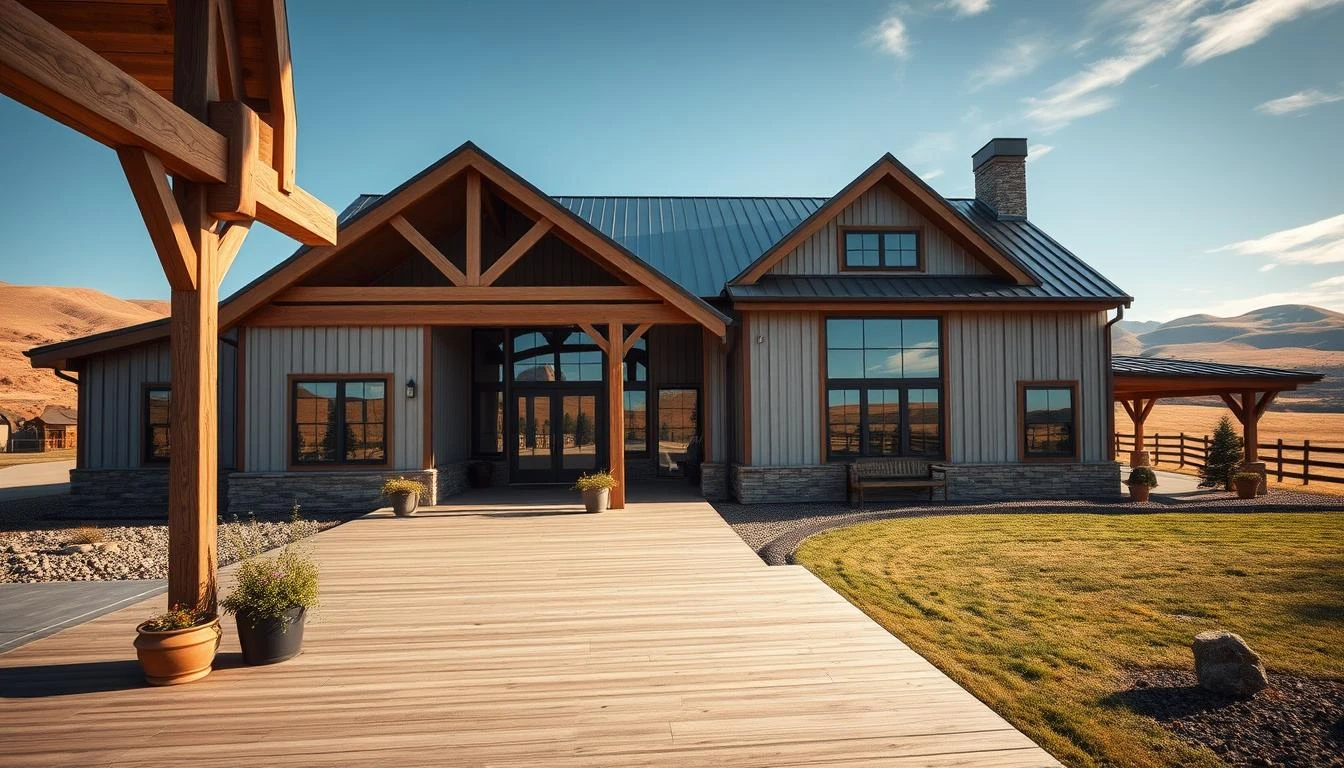
A barndominium house combines a barn look with a cozy home inside. It often starts with a metal shell or post-frame system. Then, it’s finished like any modern home. This style offers big, open spaces with fewer limits.
When building a barndominium, knowing what affects the price is key. Land, site work, and interior finishes can change your budget more than the shell. This guide helps you plan with clear eyes.
It also offers a practical guide on building a barndominium in the United States. You’ll learn what to decide early and what paperwork to expect. This includes talking to your county planning office, a licensed engineer, a lender, and a builder before finalizing your design.
Comfort is as important as looks in a barndominium. Permitting rules vary by county, and insulation and HVAC choices must match your climate. In the sections ahead, we’ll guide you from land and codes to layout, structure, performance, and finishes.
Key Takeaways
- A barndominium house pairs a barn look with a full residential interior.
- To build a barndominium well, you need to plan for land, site prep, and finish costs.
- This barndominium house guide follows the full path from early decisions to final details.
- How to build a barndominium often starts with calls to the county planning office, an engineer, a lender, and a builder.
- Permits and codes vary across the United States, so local rules matter early.
- Climate zone choices affect insulation, HVAC sizing, and long-term comfort.
Why Barndominiums Are Taking Off in the United States
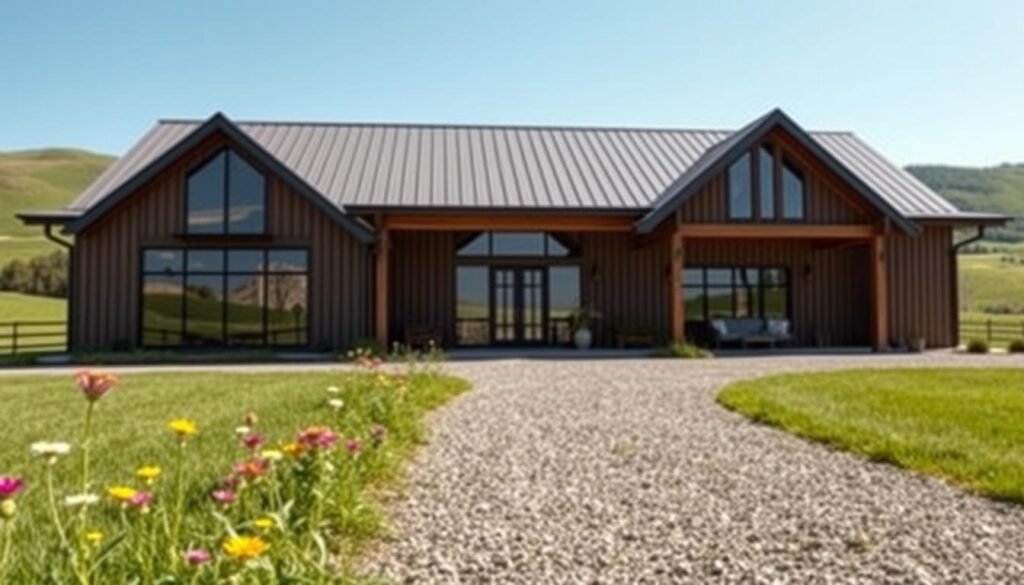
Have you seen more barndominiums lately? They’re showing up everywhere, from small towns to suburbs. People want homes that offer space to live, work, and store things without feeling cramped. This desire for flexibility is making barn style homes more popular.
These homes often have wide-open spaces that feel natural. They have tall ceilings, big windows, and simple layouts. This makes them comfortable and practical. Plus, you can add a shop, garage, or even an RV bay under the same roof.
Style is also a big reason for their popularity. You can choose a modern farmhouse look with warm finishes and simple lines. Metal building homes also offer durable exteriors that withstand harsh weather and need less upkeep.
But, it’s not easy. You need good design, solid engineering, and to follow local building codes. Rules about zoning, setbacks, and fire safety can affect what you can build. Planning early helps avoid delays.
Planning ahead has its benefits. Builders can work faster once the shell is built, thanks to simple designs. And if your needs change, metal building homes can be expanded easily. This keeps your home consistent with your original vision.
Is a Barndominium the Right Fit for Your Lifestyle and Budget?
A barndominium house might be perfect if you need space to breathe. Think about your daily life. Do you want a place for tools, a quiet office, or room for messy hobbies?
Privacy is key if you live with kids, guests, or aging parents. A peaceful rural retreat can be disrupted by a loud workshop. A good plan keeps bedrooms away from the shop and adds sound control.
Your budget needs a reality check. People often overlook the real costs. Land, grading, a driveway, utilities, septic or well, insulation, and interior build-out can increase costs.
If you seek affordable housing, plan for extra money from the start. Concrete, labor, and mechanical system prices can change. A clear plan and fewer changes help keep costs down.
Financing and insurance also matter. Some lenders require conventional comps, a full appraisal, and code-compliant plans. You might need construction-to-permanent financing based on your credit and down payment.
Think about resale value, even if you plan to stay. Location, quality finishes, and a practical layout can protect your investment. A well-designed floor plan with storage, good light, and flow tends to match local homes better.
Choosing Land for a Rural Retreat You’ll Love

When looking for land for a barndominium house, start with what you can’t change. This includes the location and the rules. Make sure the land is buildable, the boundaries are clear, and the paperwork matches the land.
Before you fall in love with the view, check access and frontage. You need legal access from a public road. Also, ensure there are recorded easements if needed, and enough frontage for a driveway that meets local standards.
Next, test the basics that make daily life easy. Find out how close power lines are and what internet options are available. Also, check if a well can produce steady water.
For wastewater, don’t guess. A soil and perk evaluation can show if the ground supports a septic system. It may also flag limits like shallow bedrock or high water tables that affect site selection.
Walk the land after a rain if you can. During acreage planning, avoid low spots and signs of flooding. Pick a building pad where water can drain away without major retaining work.
Match the dream to your routine. A rural retreat still needs realistic drive times and reliable emergency services. Also, choose a school district that fits your plans, so your access and frontage choice supports both weekends and weekdays.
Understanding Zoning, Permits, and Local Building Codes
Before you fall in love with a floor plan, learn the rule stack that controls your build. Start with zoning for metal building homes, which tells you what you’re allowed to place on the land. Next come building codes, which spell out how the structure must be built for safety and durability.
Then you deal with barndominium house permits and the inspections that go with them. This process is how the local office checks code compliance step by step. Thinking of it this way keeps you from mixing up “allowed use” with “approved construction.”
Your first call should be to the county or city building department. Ask if a barndominium is listed as a dwelling in your district, and confirm minimum square footage rules. Verify setbacks, height limits, driveway access, and whether shop space is treated as an accessory use.
If you want a large garage bay, a loft, or a tall roofline, bring it up early. Zoning for metal building homes can limit how much of the footprint is workshop versus living area. These details can change your layout long before you price materials.
Many jurisdictions also want engineered plans with a professional stamp. This matters even more for steel systems, where wind and snow loads drive the design. Clear drawings make it easier to show building codes are met without guesswork.
Plan your schedule around inspections so you don’t have to tear work out later. Common checkpoints include footing or foundation, framing or structure, rough-in mechanical/electrical/plumbing, insulation, and final occupancy. When you line up barndominium house permits with each milestone, code compliance becomes a smooth process instead of a last-minute scramble.
Planning Your barndominium house Layout for Open Concept Living
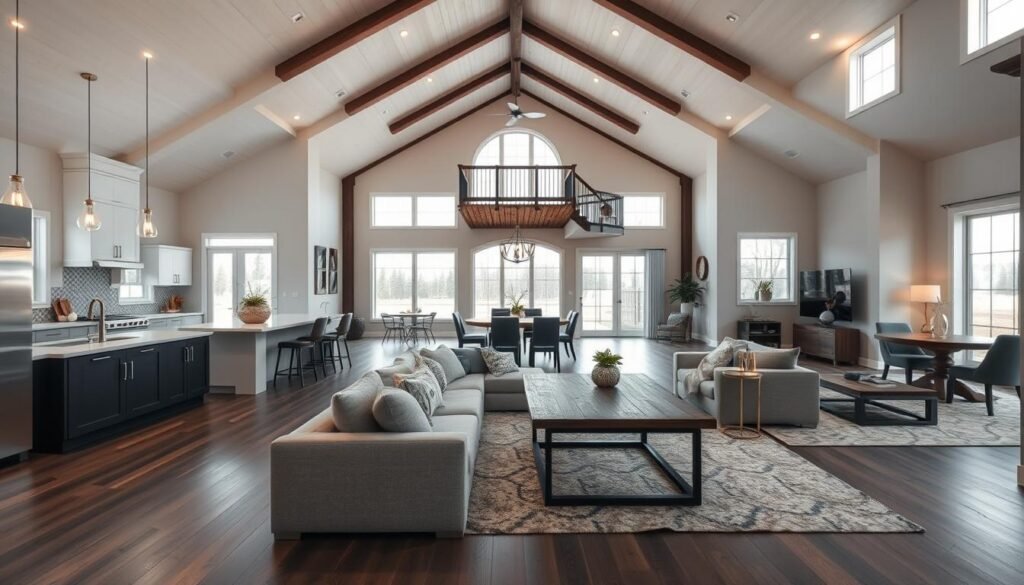
For the best layout, divide your barndominium into clear zones. Place public areas like the kitchen and living room up front. Then, move private bedrooms down a hall or to the back.
Put utility areas like laundry and pantry along an outside wall. This makes duct and plumbing runs shorter. If you have a shop or garage, treat it as a separate area.
Use smart sound control and solid-core doors to keep noise down. This makes your home calm and safe. It also helps block out fumes, dust, and weekend noise.
For an open feel, manage what you see from the entrance. Guide sightlines to windows or a fireplace. A good great room design starts with furniture plans to make it cozy.
Good acoustics are key in a big room. Mix soft surfaces like rugs and drapes with hard finishes. Use different lighting levels for the whole space and for specific tasks.
A flexible floor plan means fewer walls, but the structure still needs to work. You might need engineered beams and bracing for wind. Talk about your layout early to avoid surprises.
Building in accessibility now makes life easier later. Wider doors and a main-floor suite help you stay at home. Adding indoor-outdoor flow makes your patio or porch part of the living area.
Barndominium Styles: Modern Farmhouse Meets Barn Style Homes
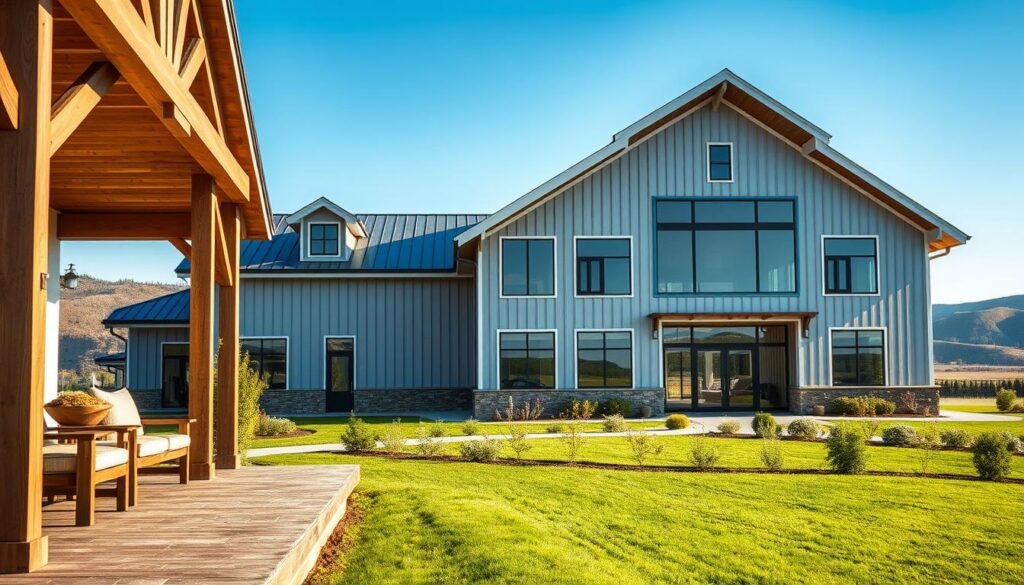
Your style starts with the shape. Many barn style homes have a simple footprint and a tall gable roof. They are easy to build and expand.
When you mix this with a modern farmhouse vibe, you get clean lines and darker trim. A welcoming porch is added too.
The roof and details do more than look good. A steeper roof sheds rain and snow fast. Wide overhangs protect doors, windows, and siding from harsh weather.
These choices also boost curb appeal. Everything stays cleaner and lasts longer.
For the barndominium house exterior, think about upkeep. Use mixed materials like metal panels, stained wood, and fiber cement. They handle different climates well and look good together.
You can use one material for the main body and another for highlights. This could be for entries, porches, or shop bays.
Windows and doors set the mood and manage comfort. Use big glass for views and daylight. Size other windows for privacy and better energy.
If you need work space, big overhead doors fit a shop bay. A separate mudroom entry is great for coming in from the land.
Porch placement ties it all together. A front porch leans modern farmhouse. A side porch opens your living area to sunsets without showing every window.
With the right mix of form and function, your barn style homes layout feels practical. Your mixed materials palette keeps curb appeal strong.
Steel Frame Homes vs. Wood Framing: What You Should Know
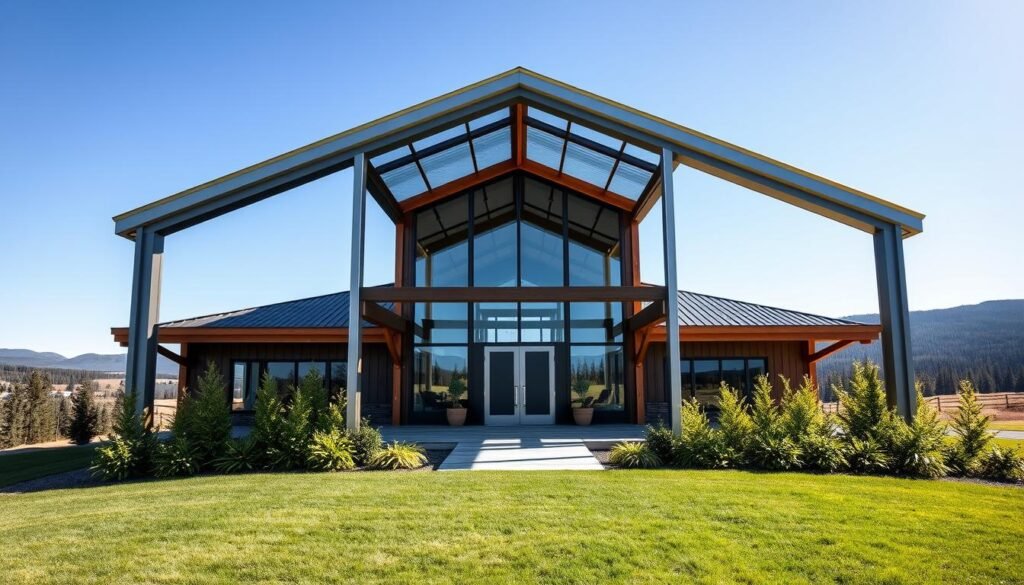
Choosing between steel frame homes and lumber is about how your building handles weight and lasts over time.
Wood framing is familiar and quick for crews. Steel, on the other hand, is more uniform. This helps keep walls straight and openings clean.
Steel frame homes can handle big spans and loads. This supports wide-open living areas and fewer interior posts. It’s great for large shops, tall doors, or open great rooms.
Wood framing is easier to change later. It’s simpler to add doors, move walls, or run new wiring with standard carpentry.
Durability is about details, not just claims. Steel needs smart moisture control and protection at cut edges and fasteners.
Wood’s durability depends on keeping it dry and protected from pests. Good flashing, drainage, and ventilation are key.
Comfort is about the whole envelope, not just studs. Steel can cause thermal bridging, so insulation and air sealing are crucial.
Wood can leak air if installed poorly. Your choices in windows, doors, and seam tape are important. A tight shell and balanced ventilation are essential for comfort.
Budget and timing depend on local construction tradeoffs. Steel prices and delivery schedules can change. Wood costs and labor availability also impact your project.
Experience with one system can save time and money. A builder familiar with your choice can reduce mistakes and costly rework.
Metal Building Homes: Picking the Right Building System
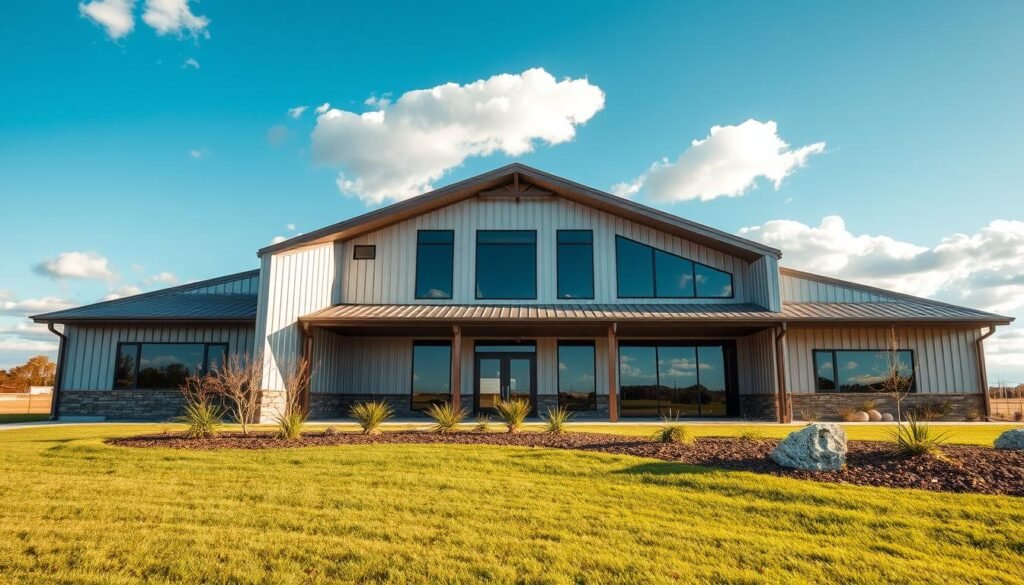
Choosing the right building system for metal homes is key. It impacts the openness of your space, duct placement, and finish quality. Think about how your structural shell will support your design, not hinder it.
When deciding between post-frame and rigid frame, the interior build-out shows the difference. Rigid-frame steel offers wide spans and fewer posts, perfect for open spaces. Post-frame is more affordable but may require planning around posts for finishes.
Some opt for a hybrid approach, combining steel shells with framed interiors. This makes detailing easier and allows for better sound control. It also affects insulation, ceiling lines, and plumbing placement.
Make sure the engineered packages meet local building codes. Check who stamps the drawings and what calculations you get. Also, confirm if doors, windows, and mezzanine loads are included. Clear paperwork now can avoid delays later.
Weather-tightness relies on roof and wall details, not just panels. Plan your flashing strategy for valleys, eaves, and transitions. Map all penetrations early, like bath vents and skylights. Don’t forget about condensation control with underlayment and ventilation.
Your building system choice also influences the build sequence and foundation work. Ensure anchor points and base conditions match the structural shell for timely erection. Early decisions affect plumbing, HVAC, and ceiling design, aiming for clean lines.
Custom Barndominiums: Designing for Function, Comfort, and Flexibility
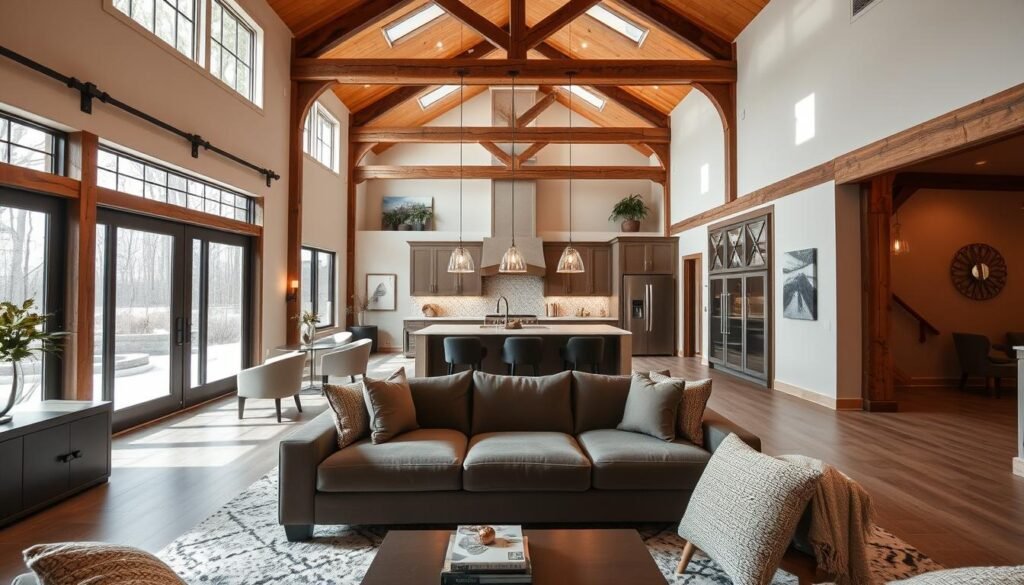
Start by making a list of what you need in your custom barndominium. Count the bedrooms and bathrooms. Don’t forget about storage, a pantry, a mudroom, an office, and a spot for hobbies.
If you work with metal, paint, or wood, plan separate areas. This keeps noise and dust contained. It makes your space more comfortable.
Flexible design is key for a layout that adapts to your life. An office can turn into a nursery, and a gym can be a guest room. This flexibility saves you from big changes later.
Ask for extra wall blocking for future additions. This way, you can add grab bars, shelves, or cabinets without tearing down walls.
Multifunction spaces should be easy to use. Consider a pet wash near the entrance, a drop zone for backpacks and boots, and a spot for bulk items. These small touches help keep your space tidy and calm.
For a home + shop layout, think about your daily path. Make the walk from parking to the kitchen short. Have a covered area for unloading groceries in bad weather.
Place the laundry where it fits your routine, not just where it’s convenient. This makes your life easier.
Planning for future expansion is smart. You can leave a room unfinished, add attic space, or design an expandable wing. Before finalizing your design, ensure it fits your structure, HVAC, plumbing, and budget. Changes made later can be costly.
Budgeting for Affordable Housing Without Cutting Corners
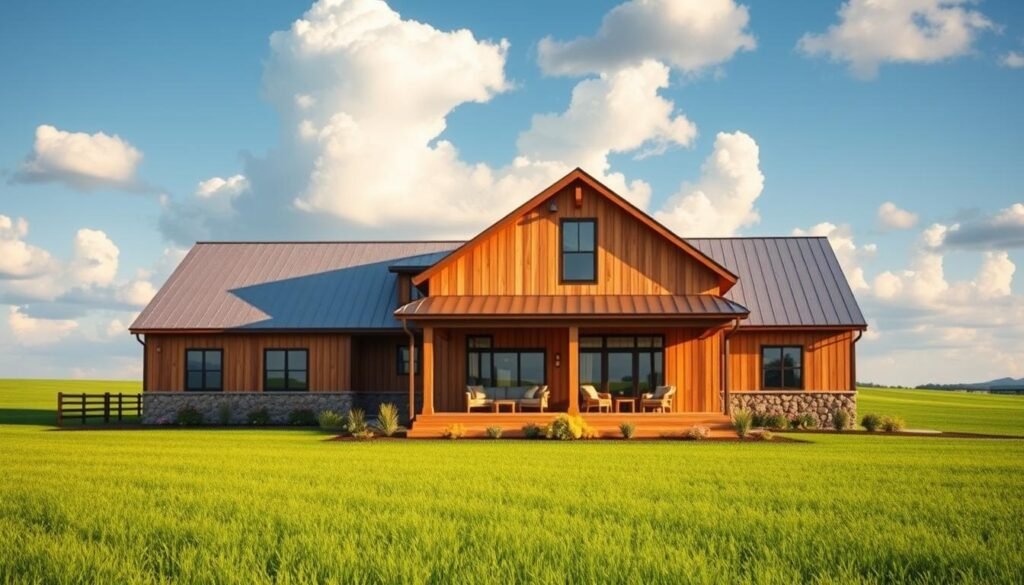
Want affordable housing that’s solid and comfy? Start with a clear barndominium house budget. Track it week by week. Make a simple worksheet and update it often, not just once.
For a good cost breakdown, list big items first. These include land, site work, foundation, and the structure itself. Then add the finish touches: insulation, drywall, flooring, and more.
Don’t forget the small stuff that can cost a lot. Include permit fees, surveys, and insurance. Also, temporary power, dumpsters, and tool rentals.
Use value engineering to keep what’s important. Spend on the building envelope, drainage, and a good mechanical design. This makes your home efficient and comfortable.
Save money in smart ways. Choose simpler designs and standard sizes. If you’re short on cash, plan for upgrades later, like a porch or better lighting.
Contingency planning helps when costs rise or the site is tricky. Set aside a buffer and use a change-order process. This ensures every change has a price and your approval.
Energy Efficiency and Comfort in Steel and Metal Structures
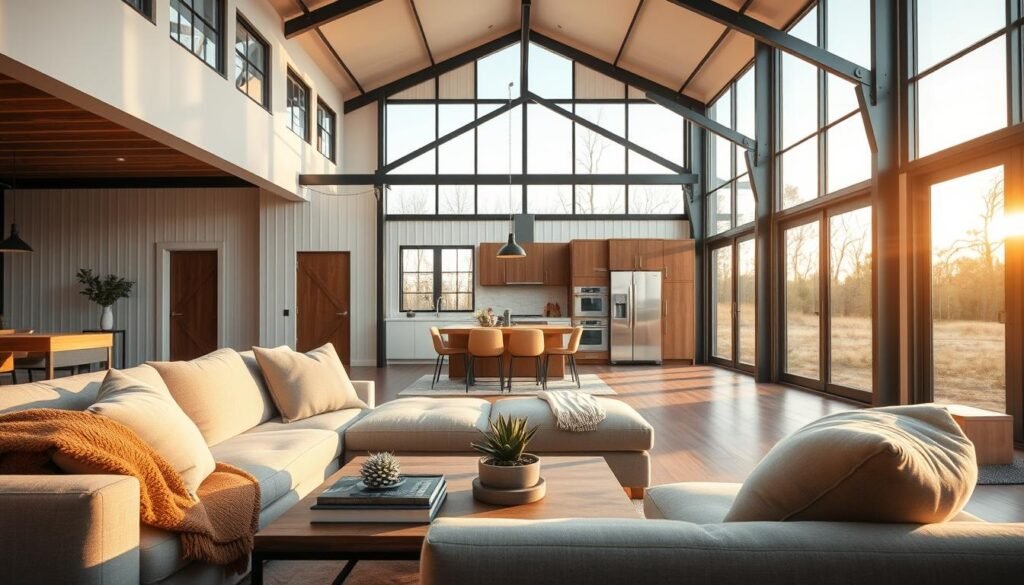
Steel shells are quick to build, but true energy savings come from inside layers. Insulation, air barrier, and moisture control must be continuous. Small gaps can add up, more so in open plans with high ceilings.
Insulation for metal buildings should slow heat flow and block humid air. Metal panels can “sweat” when warm air meets cool surfaces. The right vapor control and drying path are key. In humid climates, a well-insulated roof and wall system with steady ventilation is crucial.
Air sealing boosts daily comfort. Sealing eaves, corners, rim areas, and penetrations makes rooms feel less drafty. It also helps manage dust and humidity that can sneak in through small cracks.
Good HVAC planning starts with accurate load calculations, not guesses. In open spaces, where supply and return placement is as important as equipment size. This ensures air mixes well, not just pools near the ceiling. For mini-splits, plan indoor head locations early to avoid hot and cold zones.
For comfort in steel frame homes, simple upgrades can make a big difference. Choose quality windows and exterior doors. Keep ducts short and sealed. Consider balanced ventilation to keep indoor humidity steady. A smart thermostat helps maintain even temperatures without constant adjustments.
Utilities and Site Prep: Water, Power, Septic, and Driveways
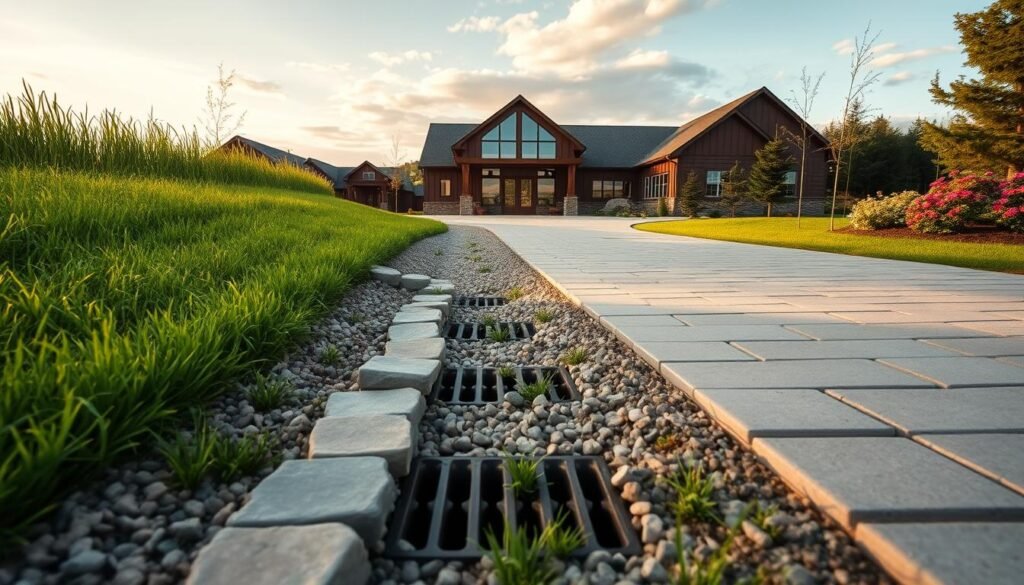
Before you start building, getting your site ready is key. Begin by clearing and staking the area. Then, grade the land so water flows away from your building.
A raised building pad is important. It keeps your floor height safe and stops muddy water from ruining your site. Early on, add simple ways to prevent erosion. Also, plan your driveway and drainage before heavy equipment damages the ground.
Choosing your water source is a big decision. A private well might be perfect for rural areas. But, you’ll need to think about the well’s depth, pump size, and water quality.
If you connect to city water, you’ll face tap fees and trenching costs. Make sure you know where the meter will go. This way, it won’t mess up your future plans for patios or shop doors.
For wells and septic systems, start with the soil and layout. Your county will need a soil evaluation. The system’s size depends on how many bedrooms you have. Many places also require a reserve area for future needs.
Place the drainfield where it won’t get in the way of future additions or changes. This includes wider driveways or new fencing.
Planning your power needs is just as important. A big HVAC system or shop tools might need a larger electrical panel. Plan the routes for power lines carefully. Leave space for future additions like EV chargers or backup generators.
A good entrance is crucial for keeping your project on track. It protects deliveries from bad weather. Make sure your entrance is ready for all seasons with the right thickness and culverts for water crossings.
Give trucks enough room to turn around. This way, concrete and framing loads can get in and out without damaging your site. When your driveway and drainage work well together, you avoid water damage and keep your site safe after heavy rain.
Interior Finishes That Make Open Concept Living Feel Cozy
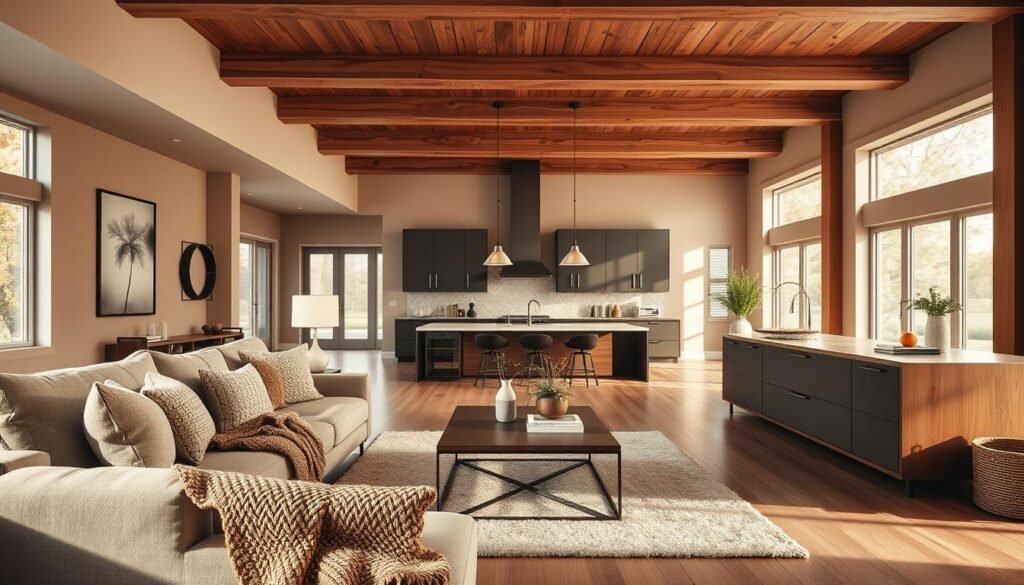
In a barndominium, big rooms can feel bright but a bit bare. Use layered light to make it inviting. Add recessed cans, pendants, and warm lamps for a cozy feel. Dimmers help change the mood without harsh light.
Ceilings are key in large spaces. Wood planks or stained beams can soften the look. This supports a modern farmhouse style. Mix textures like linen drapes and leather chairs to add warmth.
Good acoustics are important in open spaces. Area rugs and thick curtains help reduce echo. Insulated walls and solid doors in bedrooms keep sound out.
Choose durable materials for a rural home. Luxury vinyl plank and sealed concrete handle mud and pets well. A bench and hooks in the entry protect your home.
For a clean look, use simple trim and warm neutrals. Add barn touches like black metal lighting in small amounts. This way, your home feels cozy and balanced.
Useful Products and Tools That Simplify Your Build
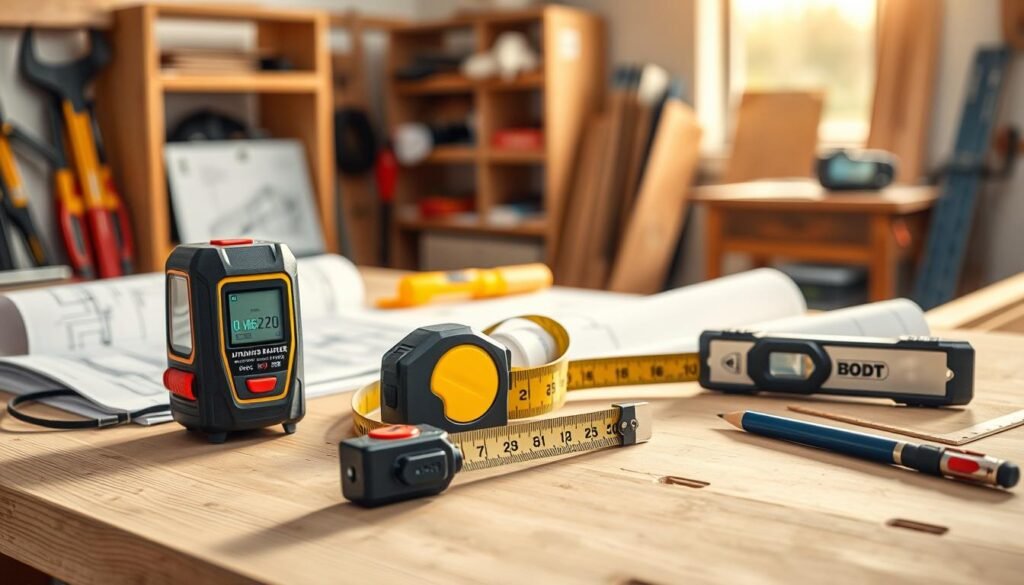
When your shell goes up fast, small mistakes can get pricey. The right tools help you stay on track. Start with measurement and layout tools like a laser level, a long tape measure, and a chalk line.
These tools are crucial for steel or hybrid framing. They ensure holes and cuts are right the first time. Use them to check door openings, window heights, and interior wall runs before ordering trim or panels.
For a tight, comfortable home, stock up on construction planning products. Keep high-quality sealants and caulks on hand. Also, have flashing tapes and foam gaskets for edges and transitions.
Use a basic moisture meter to spot damp spots in subfloors or framing. This helps before insulation and finishes go in.
Your jobsite essentials should cover safety and clean workflow. Use respirators for dust and spray, plus eye and ear protection, gloves, and a stocked first-aid kit. Add temporary lighting, heavy-duty extension cords, and lockable storage for materials.
To keep people and tasks moving, lean on simple build-management routines. Use construction planning products like project checklist templates and budget tracking spreadsheets. Pair them with daily-use tools, and you’ll spend less time scrambling and more time building.
Conclusion
Building a barndominium house is easier when you follow clear steps. Start by making sure the plan fits your life and budget. Then, choose land that you’ll love and check zoning, permits, and local codes.
Next, pick your floor plan and style. Some prefer steel frame homes for their strength and long spans. Others like metal building homes for their speed and simplicity. Custom barndominiums offer flexibility for tailored storage and future additions.
To keep costs down, price site work early and build a realistic budget. Talk to local officials before finalizing your plans. Don’t underestimate costs for grading, driveways, or utilities, as they can change quickly.
Lastly, focus on comfort by planning the envelope and mechanical systems well. Good insulation, air sealing, ventilation, and the right HVAC size keep your home quiet and comfortable all year. Making smart choices at each step ensures your barndominium is both spacious and cozy.