
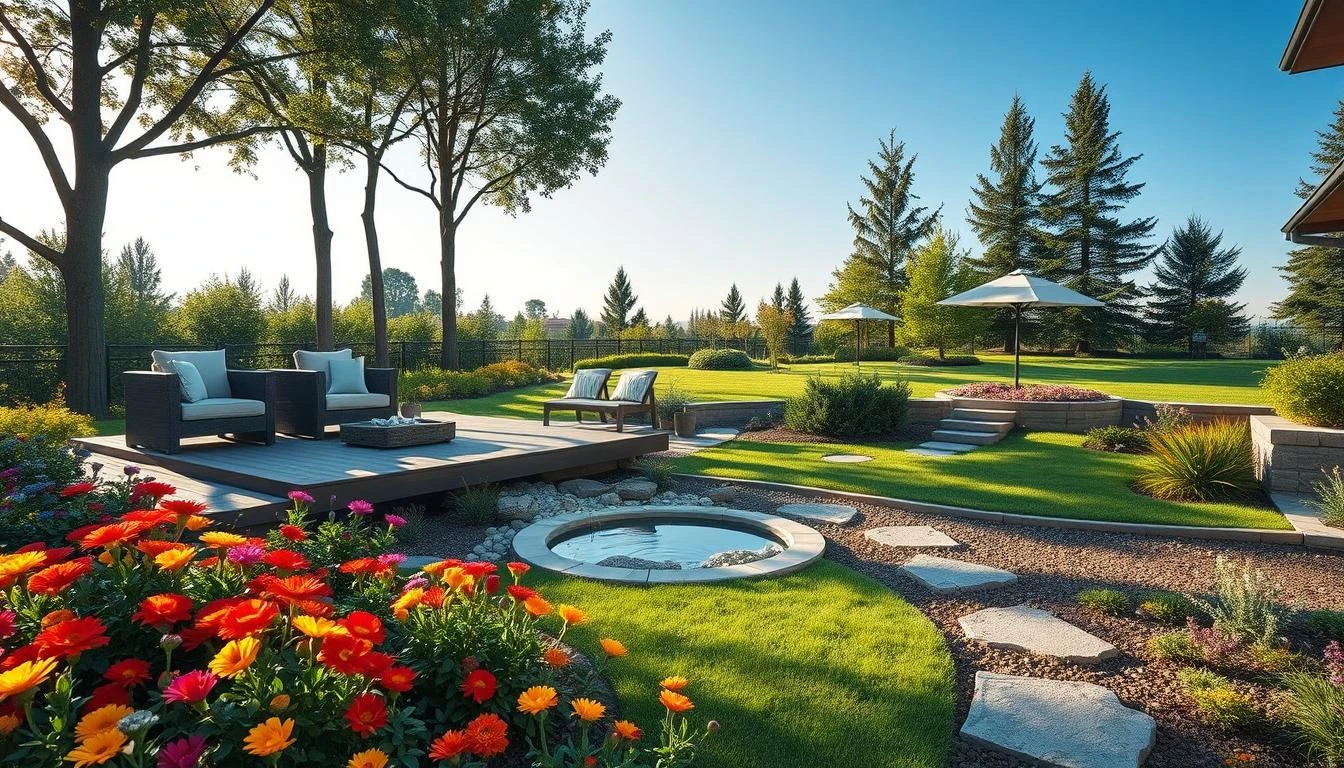
Welcome to your guide for turning your yard into a personal paradise. We know you’re looking for landscaping outdoor ideas to make your home more beautiful and valuable.
Your backyard should be a place for relaxation and fun. With a few simple changes, you can create a stunning space for your family and friends.
We’ve collected 18 creative ideas to spark your next project. These ideas include everything from easy DIY updates to more complex designs.
Get ready to explore options that fit your style and budget. Let’s make your ordinary yard into an extraordinary outdoor living space.
Transform Your Backyard Into a Personal Paradise
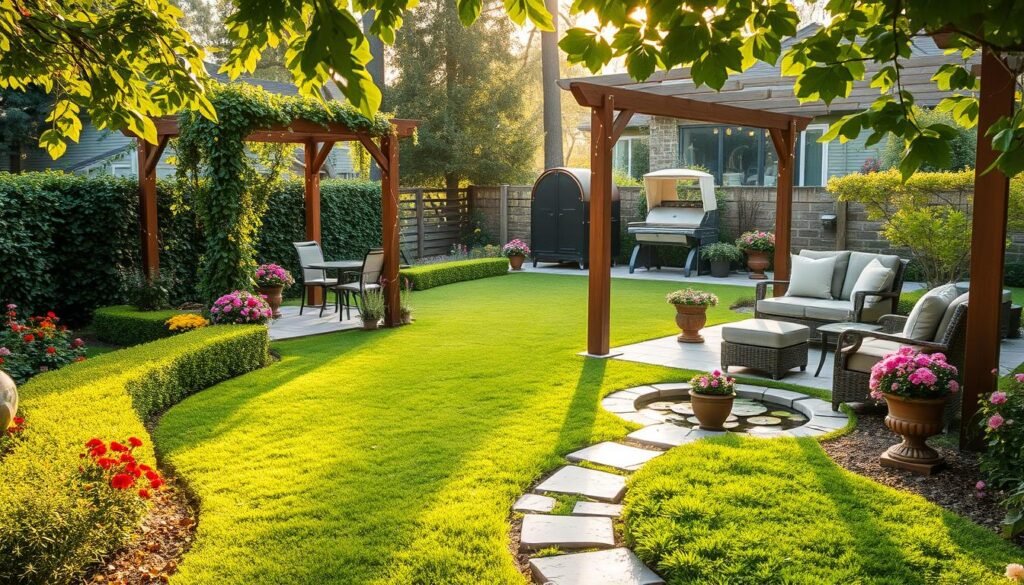
Your backyard is full of potential to become your favorite spot. Imagine stepping outside to a space that feels just right for you. It brings you joy every day.
Look at your backyard with new eyes. Notice where the sun shines most and where you like to go. These clues help you understand your space’s natural flow.
Think about what paradise means to you. Do you dream of quiet mornings with coffee and flowers? Or maybe you want a place for fun gatherings with friends and family.
Creating your outdoor retreat has big emotional benefits. Studies show it reduces stress and boosts mood. Your backyard becomes a quick escape from daily worries.
Consider how you want to feel in your space. Do you seek calm or excitement? Your landscaping should show your personality and meet your needs.
The possibilities are endless. You could have reading spots, dining areas, play zones for kids, or meditation gardens. Your backyard can be anything you dream.
Getting excited about changing your backyard is the first step. Imagine the final look and let that excitement guide you.
Remember, your backyard paradise will change with you. Start with what’s most important and let it grow over time. Your personal retreat is waiting just outside.
Essential Planning for Your Landscape Makeover
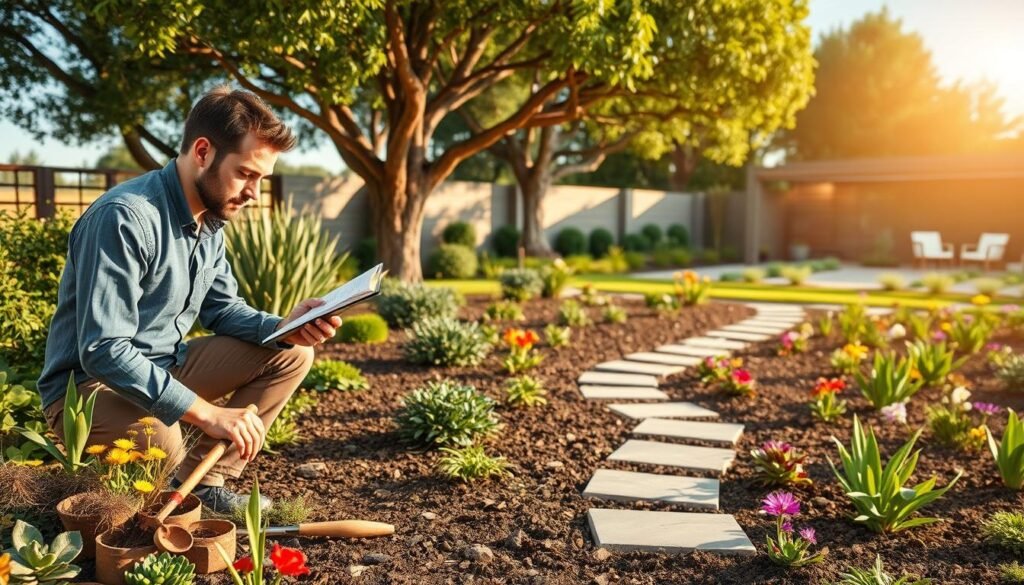
Great outdoor spaces start with smart planning. Before you start digging, map out your vision. This step saves time and money later on.
First, define your goals. Think about how you’ll use your yard. Do you need areas for kids to play or a quiet spot for reading? A clear plan helps make every decision easier.
Next, create a realistic timeline for your project. Some tasks take days, while others need seasons. For example, planting waits for spring, but hardscaping can happen in fall. A good schedule keeps your project on track.
Measure your space carefully. Use a tape measure to note dimensions. Include existing features like trees and slopes. These measurements help you choose the right plants and materials.
Sketch a simple layout of your ideas. You don’t need to be an artist. A rough drawing shows where elements will go. This visual plan helps you spot potential issues early.
Consider seasonal changes and different times of day. Will that patio get afternoon sun? Where will snow pile up in winter? Planning for all conditions ensures your space works year-round.
These outdoor renovation tips create a solid foundation. Good planning turns your dream yard into a reality that lasts for years. Your beautiful and functional outdoor space begins with these essential steps.
Understanding Your Climate and Soil Conditions
Your landscape’s success starts with knowing your local environment. The right plants for your area make your outdoor space beautiful. Understanding your conditions means less work and more beauty.
First, find your USDA hardiness zone. This helps pick plants that can handle your winters. The zone map shows regions based on winter temperatures. You can find your zone online with your zip code.
Rainfall patterns are as important as temperature. Some areas get rain all year, while others are dry. Knowing your rainfall helps plan for watering. You might need plants that don’t need much water or extra watering systems.
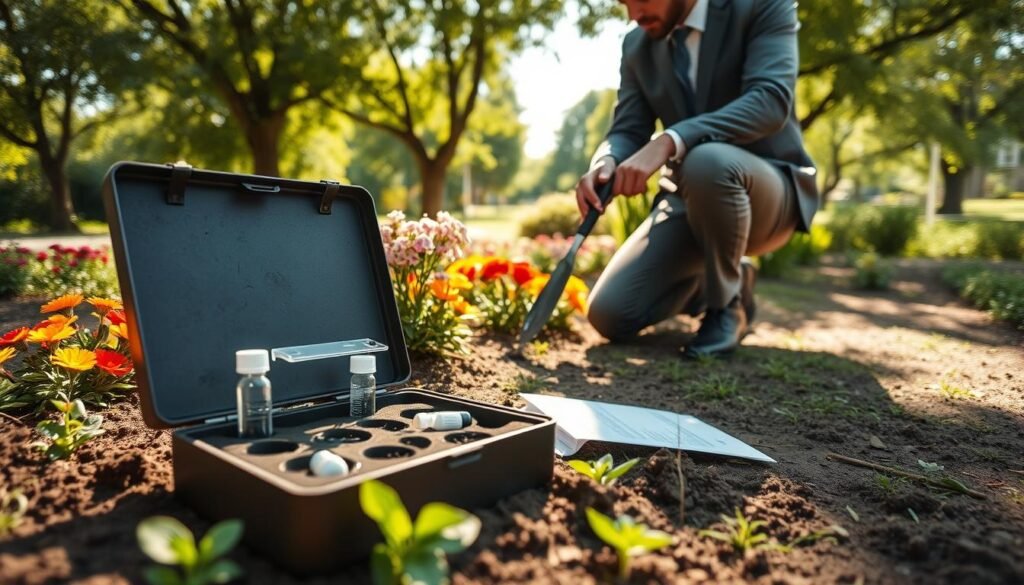
Soil testing is key to your garden’s success. You can test pH levels and soil composition at home. Many local offices offer free or low-cost testing. Knowing your soil helps choose plants that will thrive.
Sun exposure changes across your property. Watch how sunlight moves. Note areas that get full sun, partial shade, or full shade. This ensures plants get the right light.
Drainage is crucial. Some plants love wet soil, while others need it well-drained. Simple tests show how fast water drains. You can improve drainage or choose plants that fit your soil.
Microclimates create small areas with unique growing conditions. South-facing walls are warmer, while low spots are colder. These spots let you grow plants that might not thrive elsewhere. Observe your space through different seasons to find these areas.
Matching plants to your specific conditions reduces maintenance and increases success. You’ll spend less time fighting nature and more time enjoying your beautiful landscape. The right plants in the right places grow stronger and need less care.
18 Transformative Landscaping Outdoor Ideas
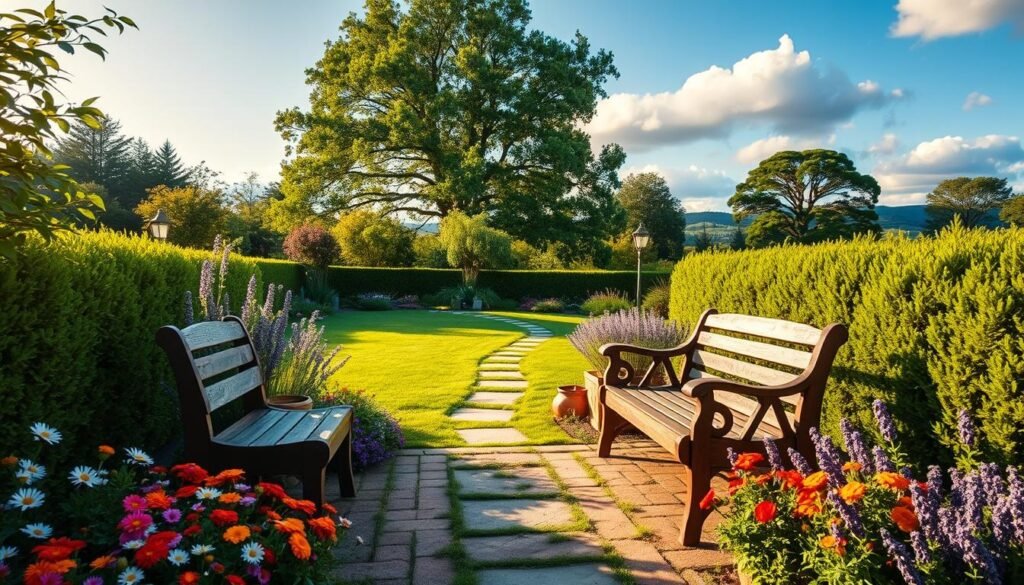
Ready to make your yard special? These landscaping ideas will spark your creativity. They help you design a space you’ll love. From simple touches to bigger projects, there’s something for every home.
1. Create a stone pathway that winds through your garden. Use natural stones for a rustic look or pavers for a clean, modern feel. This adds charm and keeps feet clean.
2. Build raised garden beds for vegetables or flowers. They’re easier on your back and help with drainage. Use cedar wood for a natural look that lasts.
3. Install a simple water feature like a small fountain. The sound of moving water creates a peaceful atmosphere. Solar-powered options save energy.
4. Add outdoor lighting along paths and near seating areas. Solar lights are easy to install and cost nothing to run. They make your space usable after dark.
5. Plant a shade tree that will grow large over time. It provides cooling shade and adds value to your property. Choose native species for best results.
6. Create a fire pit area for cool evenings. Use stone or metal rings for safety. Gather chairs around for cozy conversations.
7. Design a butterfly garden with nectar-rich flowers. Milkweed, lavender, and coneflowers attract beautiful pollinators. Watch your garden come alive.
8. Install a pergola or arbor over a patio or pathway. Train climbing roses or vines to grow over it. This creates a beautiful, shaded entrance.
9. Use container gardens for small spaces or patios. Mix flowers, herbs, and small vegetables. Move them around to change your look.
10. Create a rock garden with drought-resistant plants. Succulents and ornamental grasses thrive here. This low-maintenance option saves water.
11. Build a retaining wall on sloped areas. It prevents erosion and creates planting spaces. Use natural stone for a seamless look.
12. Add a bird feeding station with different feeders. Include a birdbath for water. Enjoy watching various species visit daily.
13. Plant a privacy screen with tall shrubs or bamboo. This creates a natural barrier from neighbors. Evergreens work year-round.
14. Create an outdoor dining area with a weather-resistant table. Add an umbrella for shade during daytime meals. String lights overhead for evening ambiance.
15. Install a drip irrigation system for efficient watering. It delivers water directly to plant roots. Save time and water with this smart system.
16. Design a sensory garden with fragrant plants and textured leaves. Lavender, mint, and lamb’s ear engage multiple senses. Great for children and relaxation.
17. Use decorative mulch in flower beds and around trees. It suppresses weeds and retains moisture. Choose colored mulch for extra visual appeal.
18. Create a miniature greenhouse from old windows. Grow seedlings or protect delicate plants. This charming addition extends your growing season.
These outdoor landscaping ideas range from afternoon projects to weekend endeavors. Start with what excites you most and watch your space transform. Each project brings you closer to your dream yard.
Selecting the Perfect Plants for Your Landscape
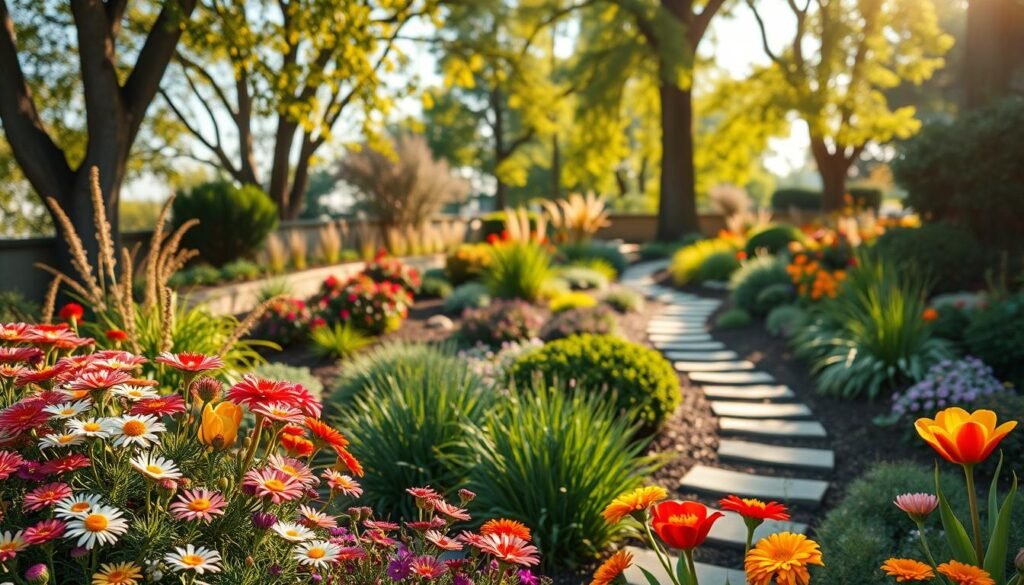
Choosing the right plants brings your outdoor space to life. It makes your garden design truly special. Your plants will grow and change with the seasons, adding beauty and personality to your yard.
Think about your local climate when picking plants. Some plants love lots of sun, while others prefer shade. Match your choices to the weather patterns in your area for healthier growth.
Consider how much time you want to spend on maintenance. Low-maintenance plants save you effort. They keep your garden looking great with minimal work.
Mix different plants to create year-round interest. Combine flowers that bloom in spring with shrubs that have colorful fall foliage. This approach keeps your landscape attractive through all seasons.
Always check the mature size of plants before buying. This prevents overcrowding and reduces the need for constant pruning. Your garden will look balanced and well-planned.
Native plants offer excellent benefits for your garden. They adapt well to local conditions and support pollinators like bees and butterflies. These plants typically need less water and care too.
Think about function when selecting plants. Use tall shrubs for privacy or trees to create shade. Your landscape can be both beautiful and practical for your needs.
Your plant choices reflect your personal style and make your outdoor space uniquely yours. Enjoy creating a vibrant garden that suits your lifestyle and brings you joy every day.
Hardscaping Elements That Define Your Space
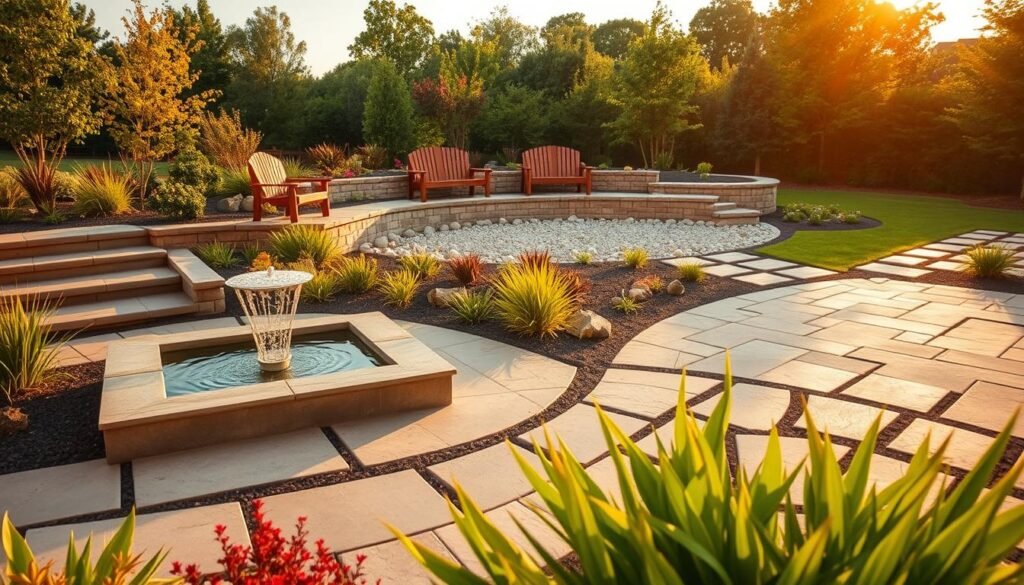
Hardscaping adds structure and function to your outdoor space. It includes non-living elements that form the base of your design. These elements help guide movement and divide your yard into different areas.
Paths and walkways link spaces and add beauty. Pick materials that match your home’s style. Stone pavers, for example, offer a timeless look that stands the test of time.
Wood decks are great for creating cozy spots for family and friends. They fit well with many architectural styles. Remember to seal your deck to protect it from the weather.
Retaining walls solve slope issues and prevent soil erosion. They also create terraces for planting. Stone or concrete blocks are excellent for stability in hilly areas.
Patio areas expand your living space outdoors. They’re ideal for dining and hosting guests. Use permeable pavers for better water drainage.
Gravel areas are low-maintenance options. They’re good for pathways and casual seating. Opt for angular gravel to stay in place better.
Balance your hardscape with softscape for a harmonious look. Too much hard surface can feel cold. Plants soften the edges and add natural beauty.
Good drainage is key for your hardscape’s function. Make sure surfaces slope away from your home’s foundation. French drains can handle excess water in problem spots.
Your hardscape choices show your personal style. They set the framework for your outdoor space. With careful planning, you can achieve both beauty and function.
Lighting Strategies for Outdoor Spaces
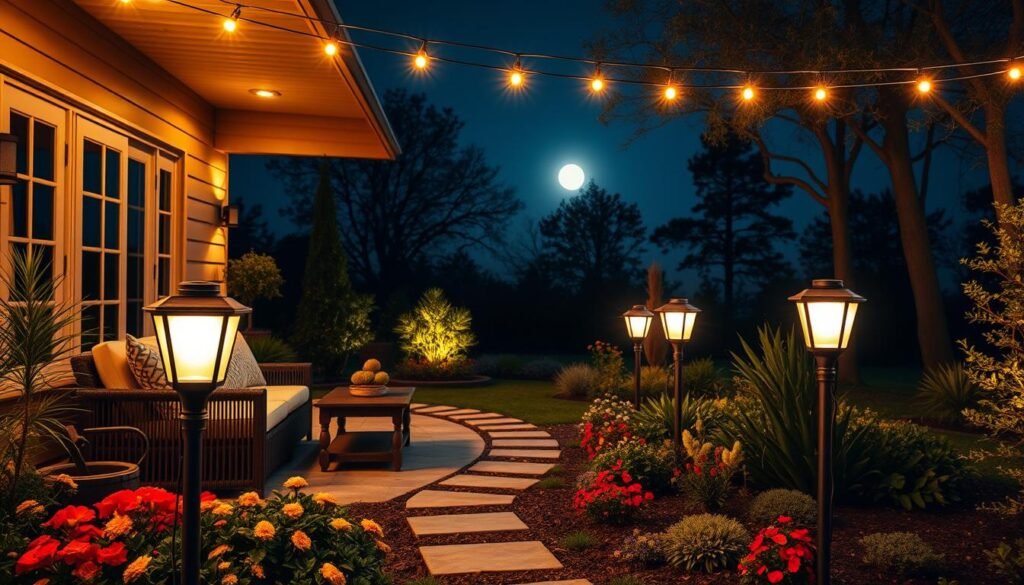
Make your evenings better with smart lighting. It lets you enjoy your outdoor space longer. Good lighting makes your area magical, safe, and useful at night.
Ambient lighting lights up your whole yard. Use soft, spread-out lights to welcome everyone. String lights and lanterns are great for this.
Task lighting shines on areas you need to see clearly. Put bright lights near where you cook, read, or walk. These lights make outdoor activities safer and easier.
Accent lighting shows off your yard’s best parts. Spotlights can highlight trees or buildings. This adds beauty and interest to your outdoor space.
Solar lights are good for the planet. They charge in the sun and light up at night. They don’t need wires and save on energy costs.
Low-voltage systems give brighter, steady light. They’re perfect for paths and big areas. Getting them installed by a pro ensures they’re safe and right where they should be.
Putting lights in the right spots is key. Light up steps and changes in the ground. Mix different lights for a rich, inviting atmosphere.
Water Features That Add Serenity
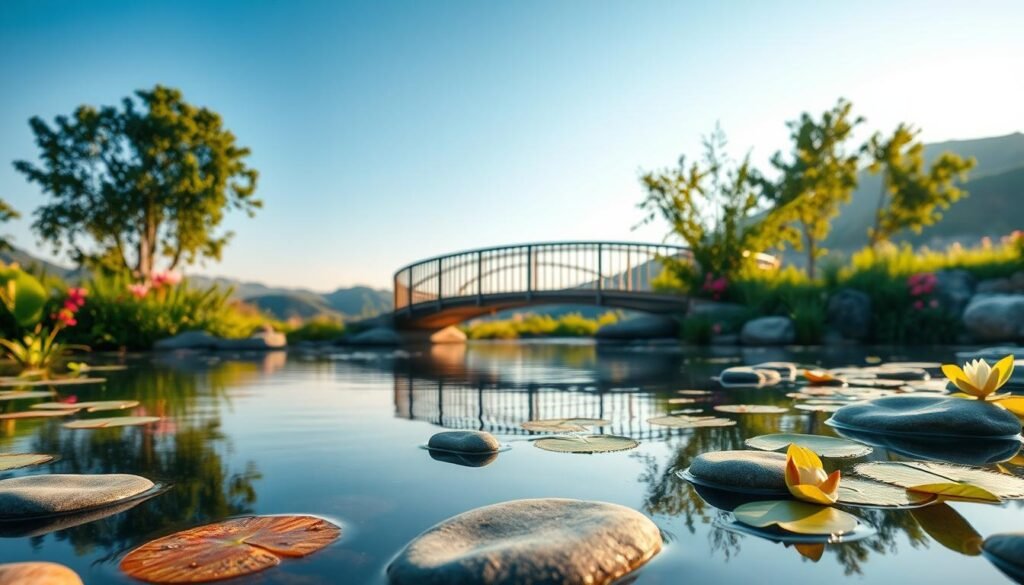
Imagine the gentle sound of flowing water in your backyard. It turns ordinary spaces into peaceful retreats. Here, you can relax after a long day.
Simple features like birdbaths attract birds and add beauty. Bubbling urns mesmerize with movement, needing little space. These small features make a big impact.
For a bigger impact, think about ponds or waterfalls. Ponds support plants and fish, creating ecosystems. Waterfalls add sound and beauty.
Maintenance considerations differ by feature. Birdbaths need cleaning and refilling. Ponds need filters and algae control. Choose based on your time.
Safety is key with kids or pets around. Use shallow features or barriers to prevent falls. Ensure proper electrical setup for safety.
Water features should blend with your landscape. Place them to enhance plantings and views. Sound should reach seating areas.
Water sounds vary from soft to loud. Choose based on your space and mood. Smaller yards prefer softer sounds, while larger areas can handle louder ones.
Prepare for winter to protect your features. Winterizing prevents damage from cold. Proper care keeps your features in good shape all year.
Match materials to your home’s style. Natural stone fits rustic homes, while ceramics suit modern ones. The right materials enhance your space.
Water features attract more wildlife than birds. Butterflies, dragonflies, and insects visit. This adds interest to your oasis.
Lighting makes water features magical at night. Underwater lights and spotlights create stunning effects. Enjoy your space even after dark.
Each water feature adds something special to your space. They offer sights and sounds for a unique experience. Your customized water feature is a treasured part of your outdoor area.
Creating Outdoor Living and Entertainment Areas
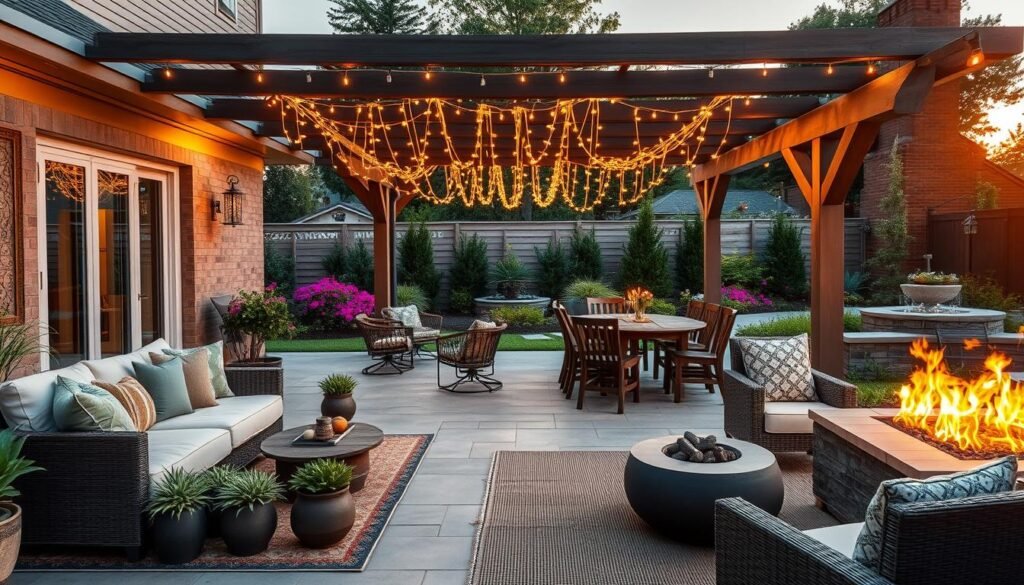
Your backyard can become the most popular room in your house with the right design approach. Modern outdoor living spaces serve as natural extensions of your indoor areas. They create seamless transitions between inside and outside.
Start by defining clear zones for different activities. Designate areas for dining, cooking, lounging, and social gatherings. This zoning helps create flow and purpose throughout your space.
Consider traffic patterns between these zones. You want easy movement without crowded pathways. Leave enough space for people to move comfortably between seating areas and amenities.
Furniture placement makes a huge difference in your outdoor living spaces. Arrange seating to encourage conversation and connection. Choose weather-resistant pieces that complement your home’s style.
Shade structures like pergolas or gazebos provide relief from the sun. They create defined areas while adding architectural interest. These structures also support climbing plants for natural beauty.
Outdoor kitchens transform your cooking experience. They range from simple grill stations to full cooking centers with sinks and refrigerators. These features make entertaining effortless and enjoyable.
Fire pits create cozy gathering spots for cool evenings. They extend your outdoor season and provide warmth and ambiance. Choose from permanent installations or portable options based on your needs.
Comfortable lighting enhances evening enjoyment. Soft, layered lighting creates atmosphere and ensures safety. Combine overhead lights with pathway lighting and accent features.
Your outdoor living spaces should reflect your lifestyle and preferences. Whether you love hosting large parties or prefer quiet relaxation, design areas that serve your specific needs.
These spaces become natural gathering points for family and friends. They encourage outdoor living and create lasting memories in your own backyard paradise.
Sustainable Landscaping Practices
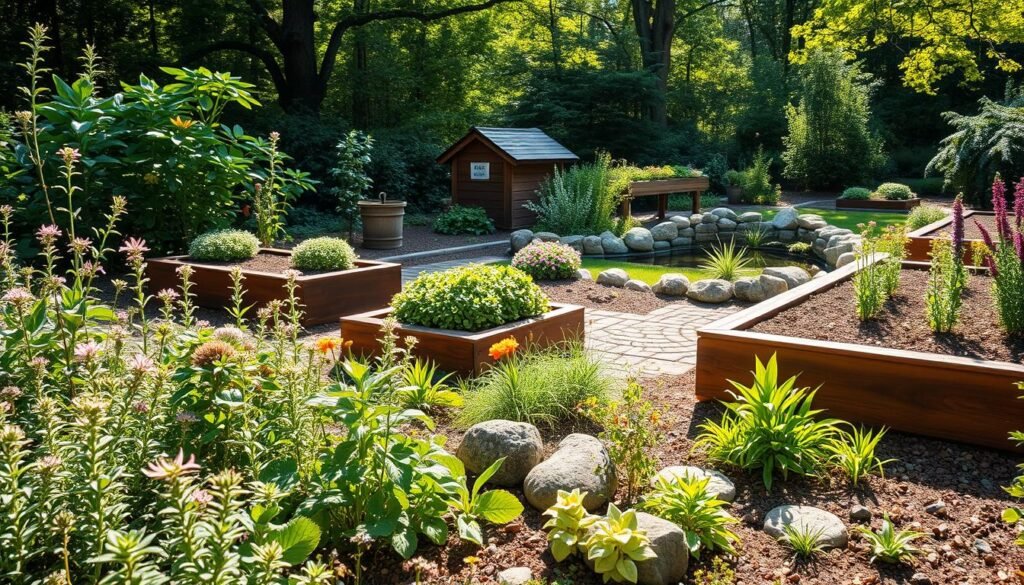
Creating an eco-friendly landscape doesn’t mean you have to give up on beauty. You can make a stunning outdoor space that’s also good for the planet. Sustainable landscaping helps save resources and protect local ecosystems.
These methods also save you time and money on upkeep. You’ll create a healthier space for your family and local wildlife. Let’s look at some practical ways to green your garden.
Xeriscaping is a smart way to save water in your garden. It uses plants that need little water. This means you’ll use less water and still have a beautiful yard.
Native plants are great for sustainable landscapes. They fit well with your local climate and soil. These plants need less water and fight off pests naturally.
Think about reducing your lawn area to save resources. Grass needs a lot of water, mowing, and fertilizing. Replace some lawn with ground covers, perennial beds, or decorative gravel.
Composting turns kitchen scraps into a valuable fertilizer. This natural fertilizer makes your soil better without chemicals. You’ll reduce waste and feed your plants well.
Avoid chemical pesticides that harm good insects. Use natural pest control methods instead. Your garden will become a safe place for birds, bees, and butterflies.
These eco-friendly practices make a self-sustaining landscape. You’ll spend less time on upkeep and more time enjoying your space. Your yard will also support local wildlife.
Sustainable landscaping is good for your property and the planet. You’ll feel proud of your environmentally responsible garden. Start using these practices for a greener, more beautiful outdoor space.
Seasonal Maintenance Guide
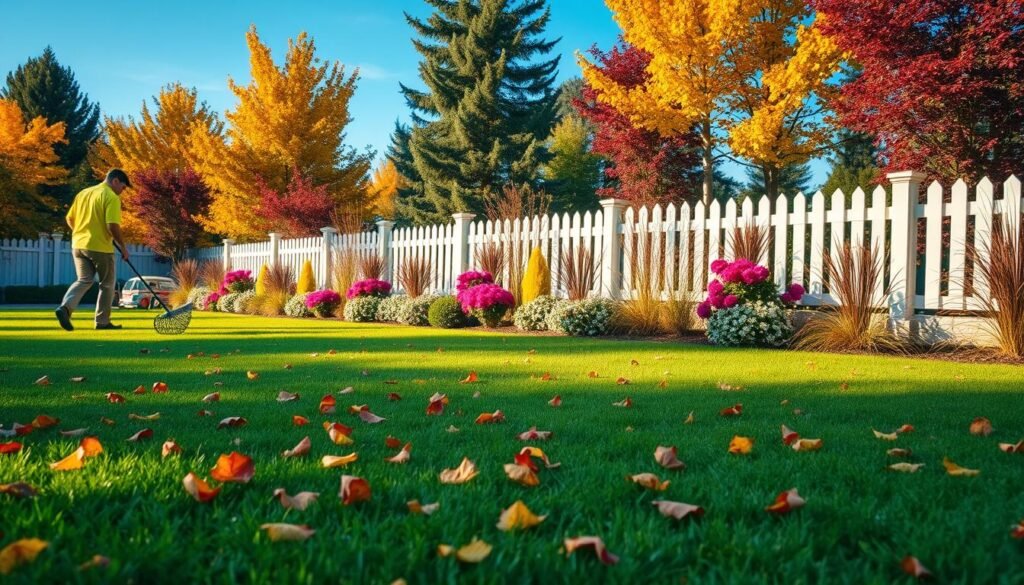
Your beautiful landscape needs care all year to stay vibrant. This seasonal landscape maintenance guide helps you spread tasks evenly. This way, you won’t feel overwhelmed by too much work at once.
Spring is the time for new growth and cleaning up. Start by removing winter debris and dead plants. Then, add fresh mulch to protect roots and keep moisture in.
Check your pruning schedule for early-flowering shrubs. Fertilize lawns and gardens as it gets warmer. This helps plants grow strong in the summer.
Summer is for upkeep and protection. Water deeply when it’s dry, best in the early morning. Watch for pests and diseases often.
Keep up with lawn care by mowing at the right height. Remove dead flowers to get more blooms. Control weeds before they spread.
Fall is for getting ready for cold weather. This winter preparation phase is key for plant survival. Water less as plants go dormant.
Use fall fertilizer to strengthen roots. Protect tender plants with burlap or mulch. Drain and store irrigation systems before it freezes.
Winter needs less work but still requires some care. Check protective coverings after storms. Prune deciduous trees while they’re dormant.
Plan next year’s garden during the quiet winter days. Order seeds and think about what worked well. Your spring cleanup will be easier with good planning.
This seasonal approach keeps your landscape thriving. Regular care prevents big problems later. Your outdoor space will be beautiful all year.
Budget-Friendly Landscaping Solutions
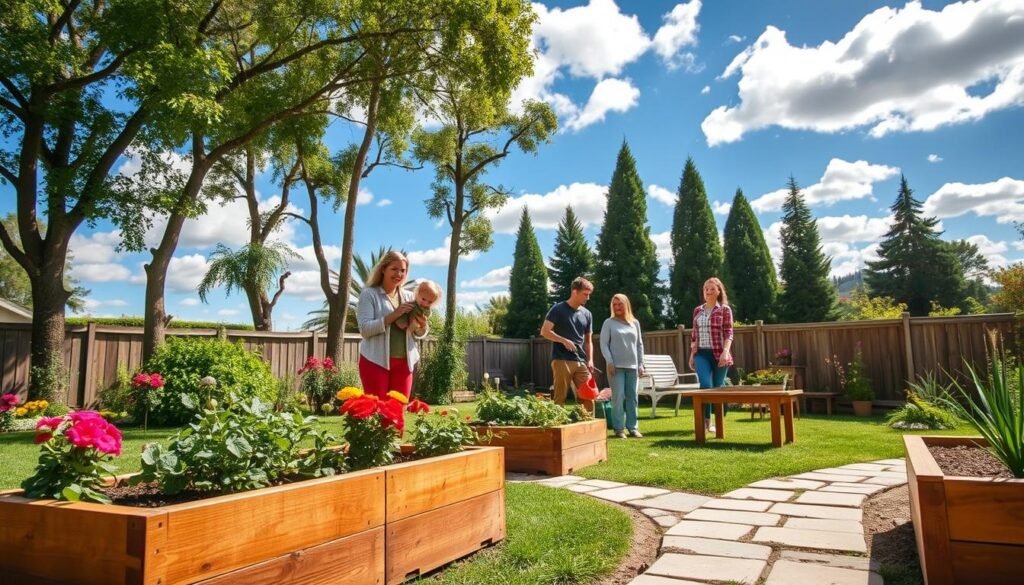
Creating a beautiful outdoor space doesn’t need a big budget. Smart planning and creative ideas can lead to stunning results without spending too much. These tips will help you get the most out of your landscape while keeping costs low.
Dividing and transplanting perennials is a smart move. Many plants multiply over time, giving you free plants to fill gaps. Hostas, daylilies, and ornamental grasses are great for this. You’ll get a fuller look without buying new plants.
Starting with small trees is also a smart choice. Young trees are cheaper than big ones and will grow into beautiful features. This approach takes patience but saves money and lets you watch your garden grow.
Repurpose materials for unique hardscaping elements. Old bricks can make charming paths, and reclaimed wood is perfect for garden beds. These projects add character and save on material costs.
Plan your projects to focus on the most valuable areas. Improve spots you use a lot or features that boost your home’s look. One big, well-done element can make a bigger impact than many small ones.
DIY projects can save money, but know your limits. Simple tasks like planting and mulching are great for DIY. But for electrical work or big tree planting, it’s better to hire pros.
Remember, budget-friendly landscaping is about using what you have. Sometimes, just rearranging plants or adding mulch can change your space. These small changes can make a big difference without breaking the bank.
Small Space Landscaping Magic
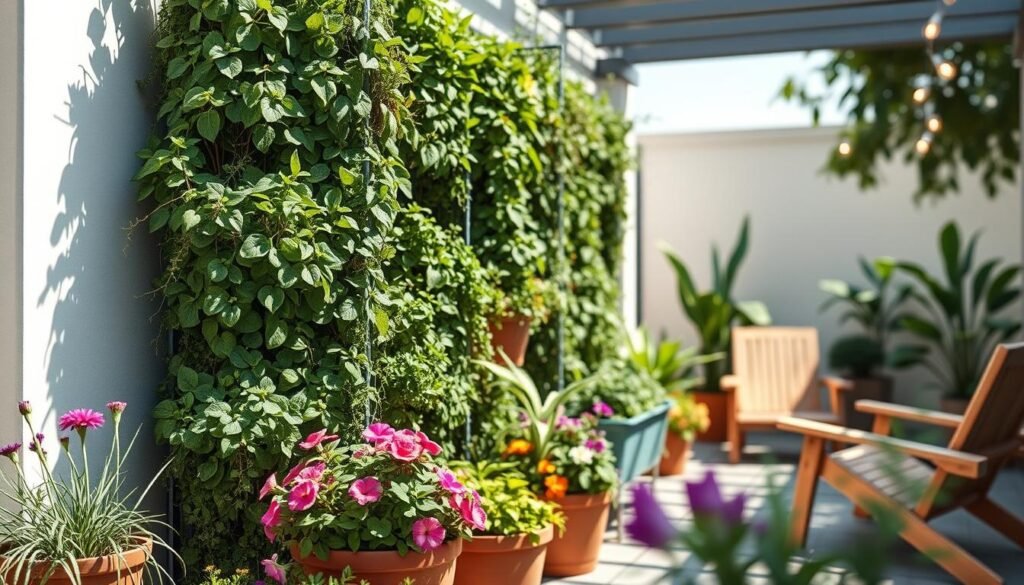
Your tiny balcony or compact patio is full of potential. Don’t let small space stop you from enjoying nature. With clever design, you can turn any small area into a beautiful retreat.
Vertical gardening is a great idea for small spaces. Use wall planters, hanging baskets, or trellises to grow plants up. This way, you can make the most of your space while keeping the floor open. You can even grow a living wall of herbs, flowers, or small veggies.
Container gardening is super flexible for small areas. Pick pots of different sizes and arrange them in creative ways. Mix plant heights and textures for a cool look. Containers also let you change up your plants with the seasons.
Choose furniture that does more than one thing in your outdoor space. Look for benches with hidden storage, foldable tables, or seats that double as plant stands. These smart pieces help you use every inch wisely and keep things tidy.
Make your space look bigger with smart design tricks. Use mirrors to reflect light and make areas seem larger. Place plants in descending height order, with the tallest in the back. Diagonal patterns in paving or decking can also make your space feel bigger.
Pick plants that make a big impact without taking over. Dwarf varieties, compact shrubs, and slow-growing plants are perfect for small spaces. Choose plants with colorful leaves or that bloom for a long time to keep your space looking great all year.
Your small outdoor area can be a true sanctuary with these smart landscaping tips. Embrace the challenge of small space and see how creative solutions can lead to amazing results. Your own little oasis is waiting, no matter how small your space is.
Creating Wildlife-Friendly Garden Spaces
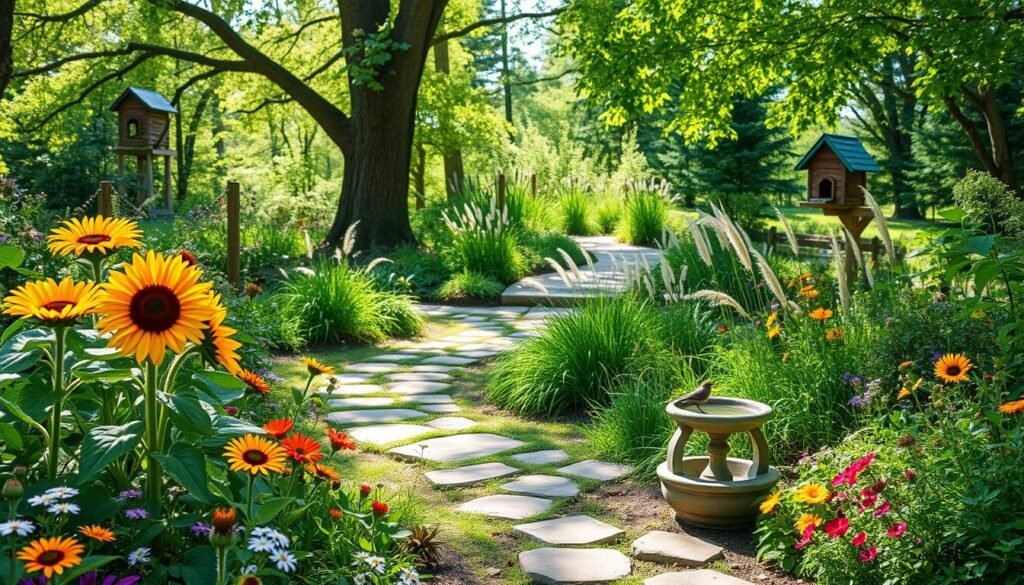
Turn your outdoor area into a haven for nature. A wildlife-friendly garden design brings life and beauty to your space. Watch as birds, butterflies, and beneficial insects thrive in your sanctuary.
Begin by planting flowers that attract pollinators. Choose native plants like coneflowers, bee balm, and milkweed. These plants are food for local wildlife all year round.
Water sources are key to attracting creatures. A birdbath or shallow dish with stones is perfect for birds and insects. A small pond or water feature makes your garden even more inviting.
Provide shelter with the right plants and features. Dense shrubs, brush piles, and nesting boxes protect wildlife from predators and harsh weather. These safe spots encourage wildlife to stay and raise their young.
Stay away from chemical pesticides that harm wildlife. Use natural pest control methods to keep your garden healthy. This way, your garden stays balanced for both plants and animals.
Your wildlife-friendly garden becomes a living ecosystem that supports local biodiversity. You’ll feel good knowing you’re helping the environment in your own backyard. The sounds of nature will change your outdoor experience forever.
Incorporating Art and Personal Touches
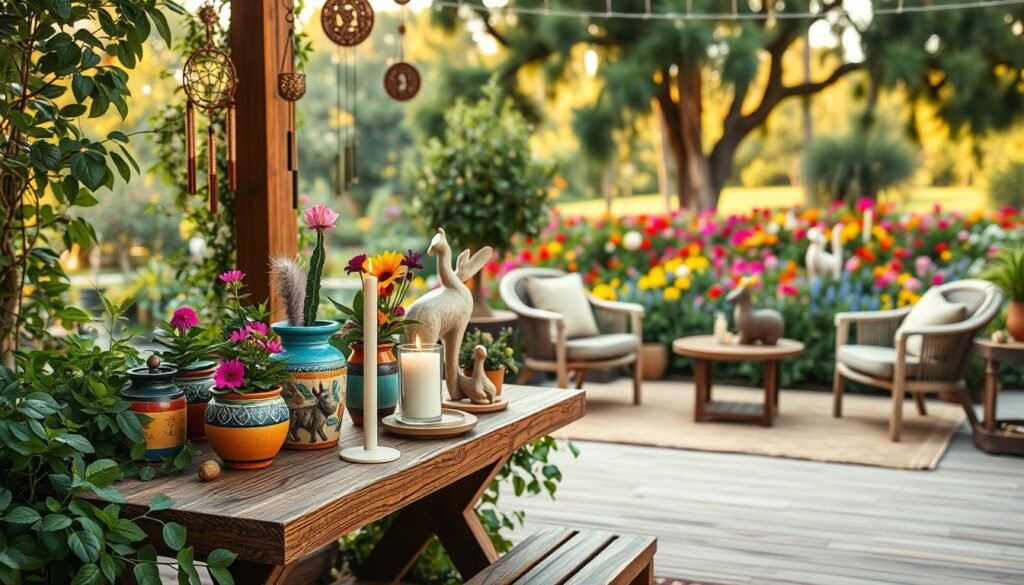
Your outdoor space becomes special when it shows your unique style through art. These personal touches turn regular landscaping into a meaningful part of your home. It tells your story.
Start with sculptures that match your taste. Pick pieces that fit your garden’s style and add interest. Metal sculptures are great for modern spaces, while stone or ceramic fit traditional gardens well.
Wind chimes add both sound and sight to your outdoor space. Their soft sounds create a calming vibe, and their movement catches the eye. Choose materials that fit your style—bamboo for a natural look or metal for something modern.
Decorative pots are a great way to express yourself. You can paint them to match your home’s look. These containers let you easily change plant displays with the seasons while adding art to patios and pathways.
Handmade mosaics add color and texture to outdoor areas. Make mosaic tabletops, stepping stones, or wall art with broken tiles, glass, or ceramics. These projects are conversation starters that show off your creativity and skill.
Using items with personal meaning adds the most value. Old windows can frame pictures, vintage tools mark garden paths, and family heirlooms become planters. These unique elements make your space truly one-of-a-kind while honoring memories and reducing waste.
Begin Your Outdoor Transformation Journey Today
Your dream outdoor space is just a step away. You have eighteen landscaping ideas to get you started. These ideas can turn any backyard into your own paradise.
Begin with a project that excites you. Maybe it’s adding solar lights or a small water feature. Even simple container gardening can make a big difference. Small steps lead to a complete makeover.
Think about your climate and soil when picking plants. Native species are easier to care for. Also, consider sustainable practices to help the environment.
Your outdoor space should show your personality. Add art that speaks to you. Create spots for relaxation and fun. Even small spaces can be transformed with smart design.
Every beautiful landscape started with a decision to begin. Your journey to an amazing outdoor space starts today. Take that first step and watch your dream come to life.